
Uncategorized
A Bug Hotel as a Slow Garden Project: What the Woodland Trust, RSPB and RHS Say About Timing, Position, Materials and Roofs
Nov
Piling up bricks, bark and bundles of hollow stems is an unhurried outdoor project, and the result can sit in a corner of a garden, yard or balcony for years. This guide is an optional, non-clinical look at building a bug hotel. It follows four UK sources: the Woodland Trust (6 February 2026), the RSPB, and two RHS pages, one from the RHS Campaign for School Gardening and one on habitats for wild bees. The RSPB and both RHS pages show no date, and all four were read on 1 November 2026. Nothing here makes a claim about health or mood.
What is a bug hotel meant to be?
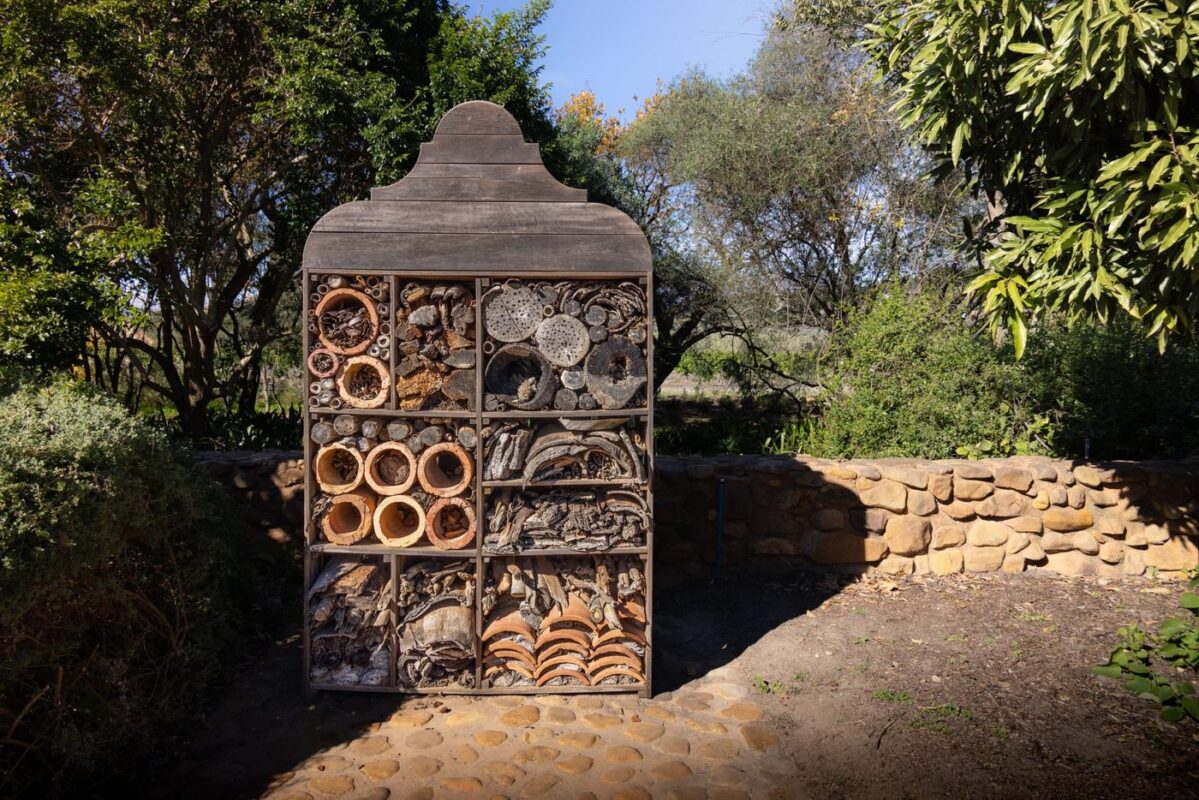
The Woodland Trust says invertebrates need safe places to shelter, hide from predators and breed, and that a bug hotel can help. The RHS school page says the best bug hotels have lots of small spaces in different shapes and sizes, made from different materials, with some dry inside and others a bit dampish. It adds that bug hotels are generally made from reclaimed materials or natural objects. The RSPB describes a minibeast hotel as a way to make use of garden waste.
When and where should it go?
The Woodland Trust says a bug hotel can be built at any time of year but autumn is ideal, because leaves and twigs are plentiful and many creepy crawlies are looking for places to hibernate. The RSPB gives the same “any time of year” view and says autumn may offer the most natural materials. On position, the Woodland Trust suggests a quiet, undisturbed area sheltered from wind and rain. The RSPB says the spot needs to be level with firm ground, and that a vegetable bed should be a good distance away in case slugs are attracted.
Both add that residents depend on position. The RSPB says woodlice enjoy cool, damp conditions while solitary bees prefer the sun. The Woodland Trust says that, if possible, a spot with both shade and sun helps different species.
How big, and how is it built?
For a large hotel, the RSPB says old wooden pallets are perfect because they are sturdy and have ready-made gaps. It describes a framework of no more than a metre high, with bricks laid as corners and three or four layers of pallets on top. The Woodland Trust describes a similar frame of bricks on a flat, firm base with four or five pallets stacked on top. The two counts differ, and neither source says which is better. The Woodland Trust adds that untreated wood is safer for wildlife.
For children, the RHS school page says adults should pile the pallets or materials into a safe tower and secure it before younger pupils arrive, and that pupils should ask an adult to help with the highest parts.
What goes inside?
The Woodland Trust says to add bigger items first, such as bricks, plant pots and roof tiles, then bundles of twigs or piles of pine cones, and finally to stuff small gaps with dead leaves and straw. The RHS school page also starts the lower part with larger objects, then fills layers with pine cones, bamboo canes, straw, bark and logs or wood with drilled holes.
The RSPB links materials to guests:
- Dead wood and loose bark for beetles, centipedes, spiders and woodlice.
- Holes and small tubes (not plastic) made from bamboo, reeds and drilled logs for solitary bees.
- Dry leaves, sticks or straw for ladybirds and other beetles and bugs.
- Corrugated cardboard for lacewings.
The Woodland Trust gives similar pairings and also mentions leaving a gap in the bottom as a snug space for hibernating hedgehogs. The RSPB likewise says larger gaps make hedgehogs more likely to move in.
Is a roof needed?
The Woodland Trust, the RSPB and the RHS school page all include one. The RSPB says to put a roof on to keep the hotel relatively dry, using old roof tiles or old planks covered with roofing felt. The Woodland Trust suggests tiles or a large piece of wood covered in roofing felt, or a living roof of turf or wildflowers. The RHS school page says to put a roof on top to keep the hotel dry and waterproof.
What if there is no room for a pallet tower?
The Woodland Trust describes smaller options. A washed-out tin, plant pot or old mug can be stuffed with sticks and leaves, or packed tightly with bamboo canes for nesting solitary bees, and placed on its side tilted down slightly so it does not fill with rainwater. A small log stack in a damp, shady corner with dead leaves in the gaps is another, and a pile of pine cones bundled together in a quiet corner of a shed or garage can give ladybirds and lacewings a winter shelter.
A bee-specific version
The RHS bee habitat page describes a block of wood at least 10cm deep from front to back, not treated with chemicals or paint or pressure-treated (heat-treated wood is fine). It says to drill holes of between 2 and 10mm, as deep as possible and smoothly drilled to avoid damaging wings, with 8mm holes ideally suited to red mason bees. It suggests siting the block in a sunny spot between 0.5m and 3m above ground and says a simple model may need replacing every few years as the holes fill up. This page also notes that wild bees nest in holes, burrows and cavities, and that plenty of plants for pollinators should be nearby.
The bottom line
The Woodland Trust, the RSPB and the RHS school page agree on varied small spaces, recycled or natural materials and a roof. They differ on pallet numbers (three or four layers from the RSPB, four or five pallets from the Woodland Trust), and only the RHS bee page gives hole sizes for a drilled block. The RSPB notes that the residents depend on where the hotel is placed.
Sources
- How to make a bug hotel, Woodland Trust, 6 February 2026, read 1 November 2026 (woodlandtrust.org.uk)
- Build a minibeast hotel (How to Make a Bug Hotel), RSPB, page undated, read 1 November 2026 (rspb.org.uk)
- Make a bug hotel, RHS Campaign for School Gardening, page undated, read 1 November 2026 (schoolgardening.rhs.org.uk)
- 5 easy ways to make a habitat for wild bees, RHS, page undated, read 1 November 2026 (rhs.org.uk)

 English
 French