
Uncategorized
Leafmould From Fallen Autumn Leaves as a Slow Garden Job: What the RHS Says About Collecting, Bags and Cages, How Long It Takes and What It Is Used For
Nov
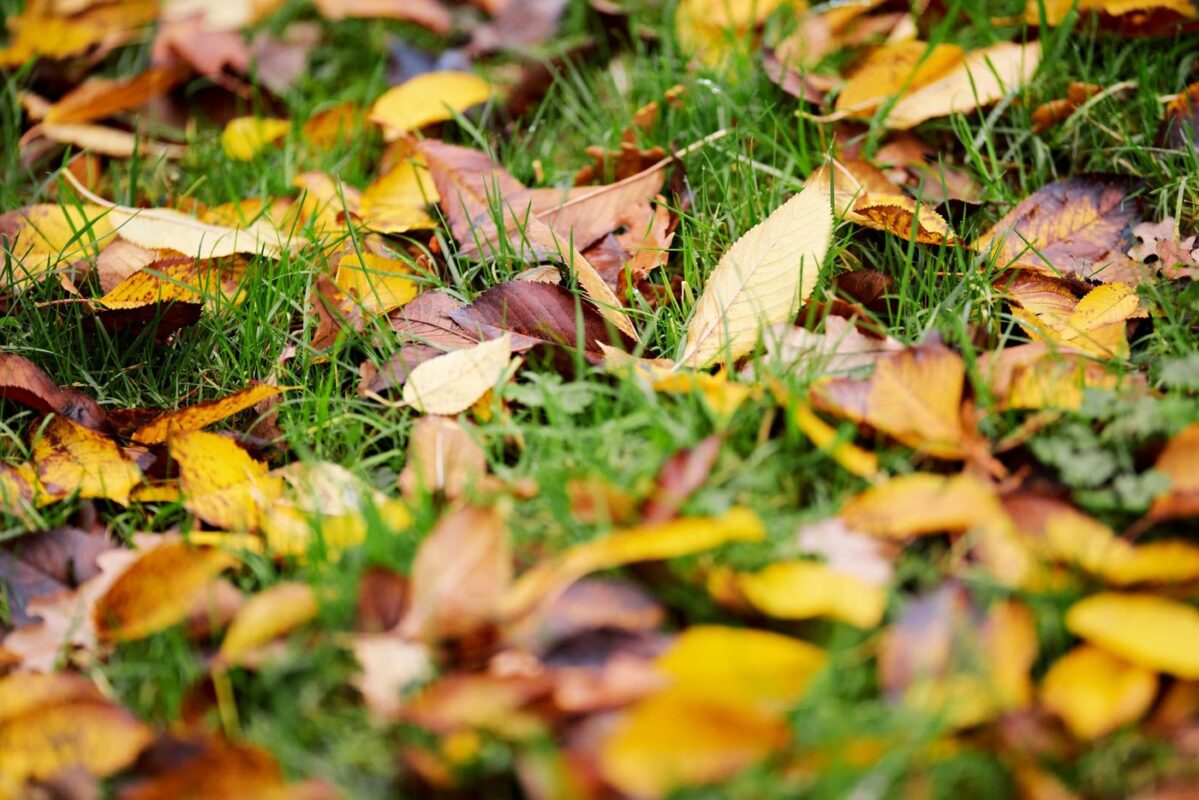
Fallen leaves can be turned into leafmould, a crumbly soil conditioner, with very little equipment. The Royal Horticultural Society (RHS) publishes two pages on it, read on 3 November 2026: a general advice guide by the RHS Advice Team, and an article by an RHS Senior Horticultural Advisor, Andy Vernon, who describes his own method. Neither page is dated. The advice guide rates the job as easy and says to start in autumn, when most leaves fall. This article follows the order of the job and reports where the two RHS pages word things differently.
Step one: gather the leaves
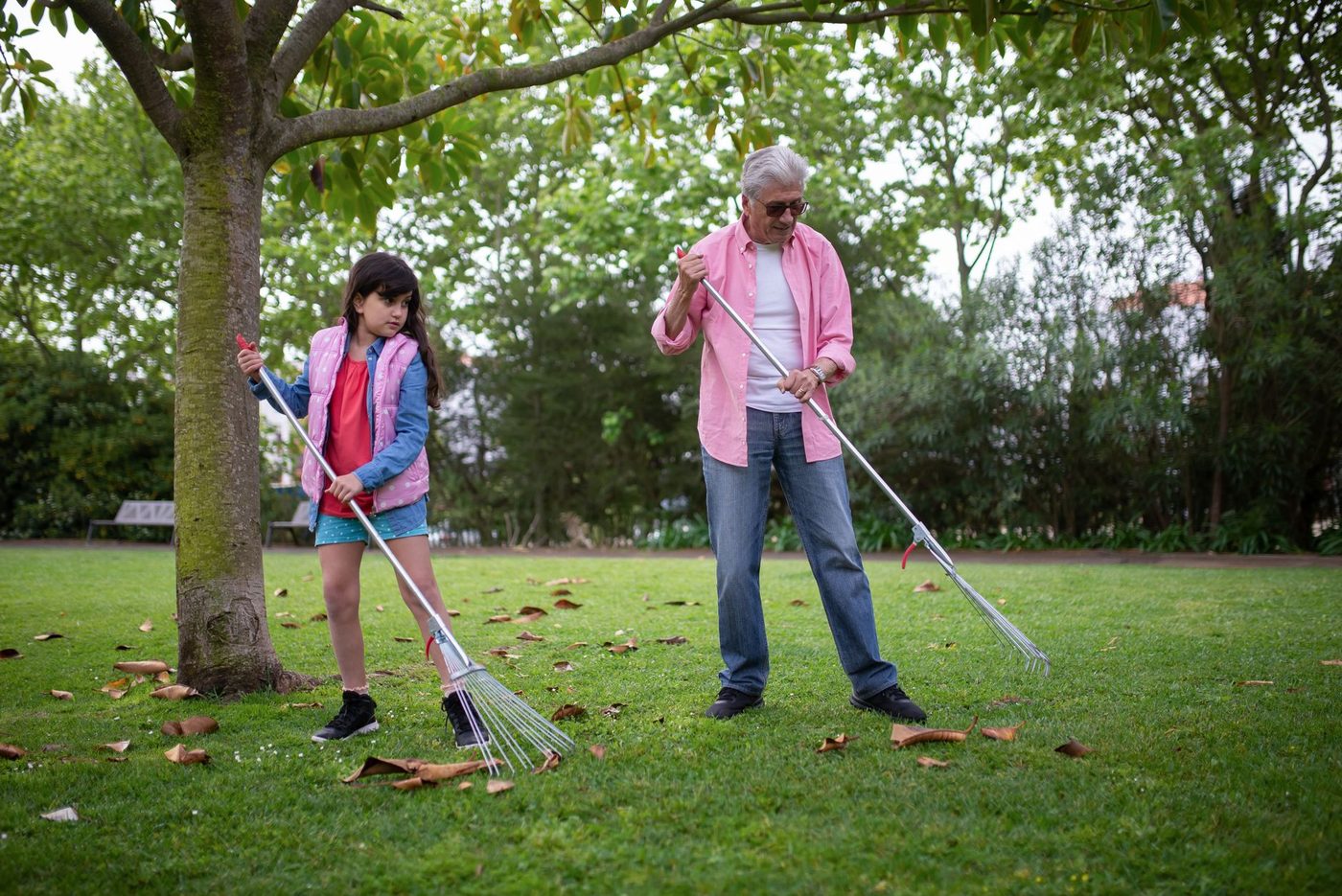
The advice guide says leaves can be collected from the garden or from public places, but that those collected by main roads may be affected by atmospheric pollution, so leaves from quieter streets and side roads are preferable. Street leaves may also contain litter, so the guide says to sort through them first. It says leaves are easier to collect when the weather is dry and still, and that on a windy day they can be raked in the direction the wind is blowing and picked up with leaf boards or a lawn vacuum.
Both pages mention shredding. The guide says collecting leaves from a lawn with a rotary mower shreds them, which hastens rotting, and adds grass clippings. Vernon calls mowing leaves up off a lawn a double win, and says shredded leaves decompose more evenly and quickly.
The Woodland Trust, in a 3 November 2022 article, suggests offering surplus leaves to family and friends, or listing them on a marketplace site, before consigning them to garden waste, and says gardeners will be especially keen to take them.
Step two: a bag or a cage
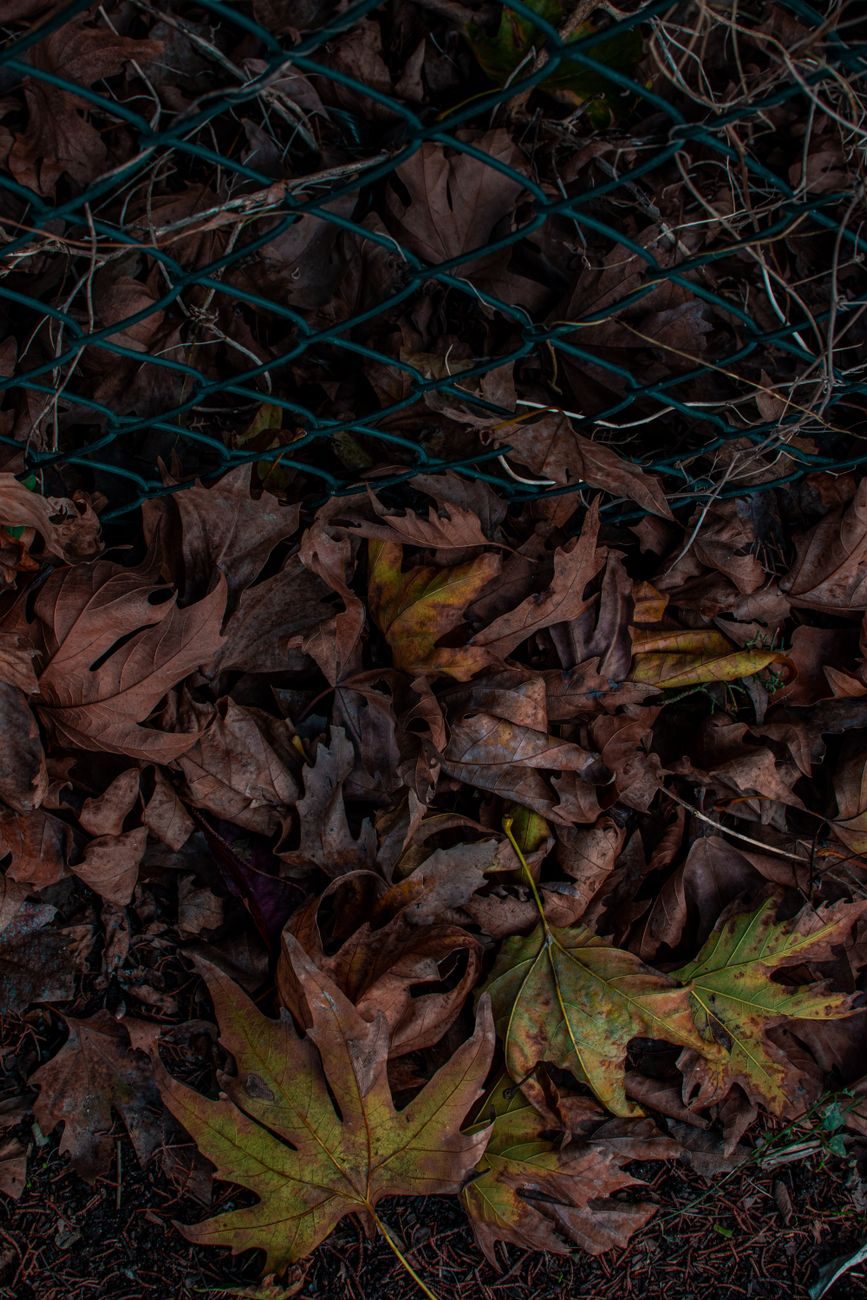
Both pages describe two containers. For bags, the advice guide says to place the leaves in a bin liner, moisten them if they are dry, pierce holes in the bag with a knife or garden fork, tie the top loosely and stack the bags out of sight. Vernon uses perforated bin bags in a shed or garage and says the same bags can be reused each year if possible. For a cage, the guide says to make a square or round frame from chicken wire or similar, supported by stakes or bamboo canes, ideally in a sheltered part of the garden so the leaves are not blown away. Vernon describes four stakes, some chicken wire mesh and a few U-shaped tacks, in a darker, shadier, out-of-the-way spot.
Vernon says leafmould is made from just leaves and moisture, so bagged leaves should be damp when collected, and that it needs no turning. The advice guide says a heap should be as large as possible to hasten decay and moistened periodically if it dries out, and suggests turning it regularly if it is slow to break down.
Step three: wait, and choose the leaves
The two pages give different time scales. The advice guide says most leaves take about two years to break down and that bagged leaves can be stacked for up to two years. Vernon says shredded leaves often give a usable fine-textured leafmould within 6 to 12 months, that whole leaves tend to make a much coarser product, and that he opens his bags after just over a year.
They also differ slightly on the best leaves. The guide says the best leafmould comes from oak, beech or hornbeam, while Vernon, writing from his own experience, lists oak, birch, beech, acers, hazel and hornbeam as working best. Both agree that conifer needles may take two to three years. The guide says thick leaves such as sycamore, walnut, horse chestnut and sweet chestnut need shredding because they are much slower to break down, and that evergreens such as holly, Aucuba and cherry laurel are better shredded and added to the compost heap. It suggests gathering pine needles gradually into a separate pile, because they produce acidic leafmould, which it describes as ideal for mulching acid-loving plants such as rhododendrons and blueberries.
Step four: use what it becomes
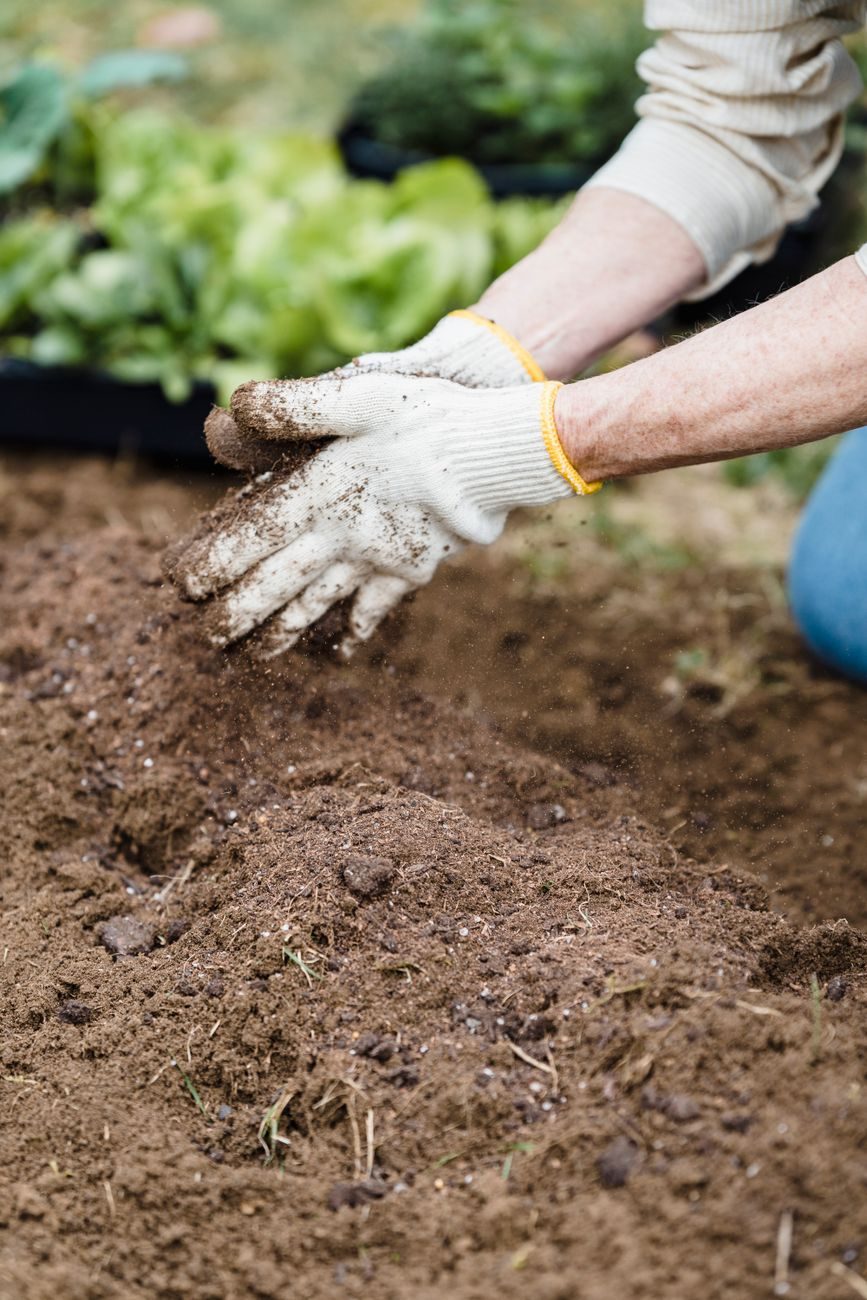
On uses, the advice guide says leafmould more than two years old, if good quality and well rotted, can be used as seed-sowing compost, or mixed equally with sharp sand, garden compost and good quality soil as potting compost. Poor quality leafmould, or leafmould less than two years old, can be used as mulch, soil improver, autumn top-dressing for lawns or winter covering for bare soil. Vernon says that after just a year partially decomposed leafmould can be used as mulch, and that after two or more years it becomes a finer, soil-like substance for use as a soil conditioner or in potting mixes.
The guide lists two problems. Leafmould heaps can be colonised by weeds and their seeds, so it suggests avoiding leafmould where weed seeds would be a particular problem, and street leaves may carry litter that needs sorting out.
The bottom line
The RHS pages describe leafmould as a slow, easy job that starts when leaves fall: collect them, moisten them, hold them in a pierced bag or a wire cage and wait. They differ on timing, with the advice guide giving about two years for most leaves and the article by Andy Vernon giving 6 to 12 months for shredded leaves and about a year for his own bags. Both are statements by the RHS and neither page is dated.
Sources
- Leafmould, RHS Advice Guide, RHS Advice Team, page undated, read 3 November 2026 (rhs.org.uk)
- Making the most of fallen leaves, RHS Grow Your Own, Andy Vernon, page undated, read 3 November 2026 (rhs.org.uk)
- 10 ways to use fallen autumn leaves, Woodland Trust, 3 November 2022, read 3 November 2026 (woodlandtrust.org.uk)

 English
 French