
Uncategorized
Putting Up a Nest Box as a Slow Garden Project: What the BTO and the RSPB Say About Height, Aspect, Timing, Fixings and Cleaning Out, and Where Their Pages Differ
Nov
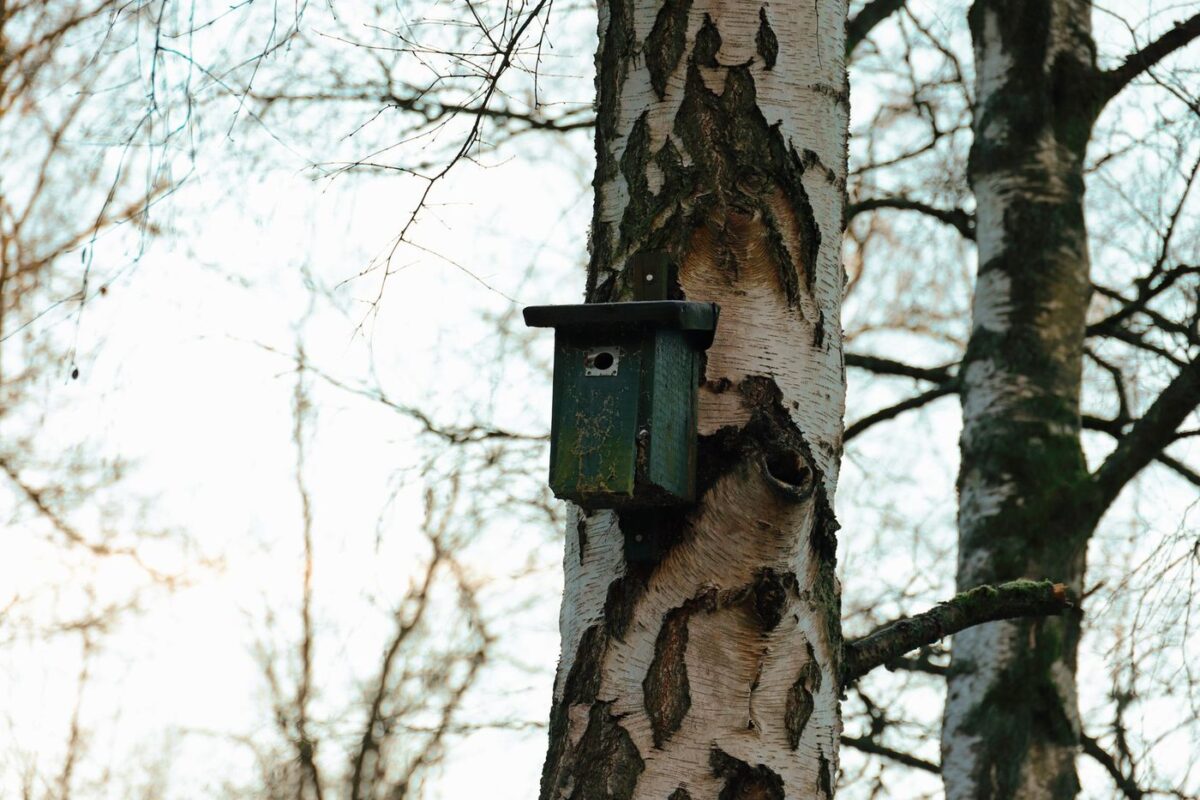
Putting up a nest box is a small, slow garden job: fix it, then wait and see. The British Trust for Ornithology (BTO) and the RSPB both publish advice on it, and their pages do not always say the same thing. This article reports what the BTO’s “Putting up a nest box” page, the RSPB Shop’s nest box buying guide and the RSPB’s starling nestbox page say, as read on 4 November 2026. All three are undated and none names a nation. Where they differ, each is reported separately.
Before: the hole and the spot
The BTO says that where a box goes is every bit as important as what it looks like, and that the highest priority is a safe and comfortable environment in which birds can nest successfully. Its list of top tips, in summary:
- Do not site boxes of the same type too close together, as this may promote aggressive behaviour between neighbours.
- Angle the front vertically or slightly downwards to keep rain out, and shelter the box from prevailing wind, rain and strong sunlight.
- Keep it away from bird feeders, because high levels of activity could disturb nesting pairs.
- Make sure cats cannot get into the box; a metal plate around the hole can deter squirrels.
On hole size, the RSPB Shop guide says a 25 mm hole is best suited to smaller birds such as blue, coal and marsh tits, and a 32 mm hole to slightly larger garden birds such as the great tit. The BTO suggests a 32mm hole on the wall of a house for house sparrows and a 45mm hole for starlings. The RSPB says not to fix a perch on the front of any box, because it will encourage intruders.
How high, and which way it faces
The two organisations give different figures. The BTO says height from the ground should be about 3 metres, and that small-hole boxes are best placed 1 to 3m above ground on tree trunks, avoiding sites where foliage hides the entrance hole. If a garden has no trees, it names the side of a shed or wall as the next best option. The RSPB Shop guide says boxes for tits, sparrows or starlings should be fixed two to four metres up a tree or a wall, facing between north and east unless trees or buildings shade the box, with a clear flight path and a slight forward tilt. For starlings, the RSPB’s separate page says at least 3m, facing north or east.
Autumn or spring? Three timing statements
The BTO says nest boxes are traditionally put up in spring, that pairs begin to prospect in the latter half of February, and that it is never too early or late to put one up, as some birds use boxes to roost in during winter. The RSPB Shop guide says the best time is autumn, because many birds enter boxes in autumn and winter, often using the same box for nesting the following spring, though tits will often not seriously investigate sites until February or March. The RSPB’s starling page says a starling box can go up whenever you like but that, as nesting can start from mid-March, early spring is best.
Fixing it, and checking the fixings
The two organisations differ on fixings. The BTO says to use galvanized or stainless steel screws or nails that will not rust, or galvanised wire to tie a box to a trunk or hang it from a branch, and to inspect the fittings regularly. The RSPB Shop guide says nails may damage the tree, so it is better to use an aluminium screw, a nylon bolt or wire, with a piece of hose or tyre around the wire, and to check the fixing every two or three years because trees grow in girth. The starling page says to make sure there is permission before fitting a box on a property, especially if renting.
During the season: looking in or leaving alone
The two pages answer this differently. The BTO says it is perfectly safe to look into a nest box from time to time once the birds are incubating, if approaching quietly and carefully. The RSPB Shop guide says to avoid inspecting boxes in use and to watch from a distance, and to open one only with appropriate skills and experience as part of a monitoring project.
After: cleaning out, and the dates
The BTO says that when the breeding season is over old nests can be removed and the box cleaned out, and that Bird Protection Law permits this between 1 September and 31 January. It says dead eggs must be destroyed promptly and cannot be kept or sold, and that the nests of species such as sparrows, which may have second or third broods, should be left until sometime during the autumn when it is certain they are no longer in use.
The RSPB Shop guide recommends removing old nests in the autumn, “from August onwards” once the birds have stopped using the box, and says unhatched eggs can only be removed legally between August and January. It suggests a brief rinse with boiling water, letting the box dry thoroughly, and avoiding insecticides and flea powders. The BTO gives 1 September and the RSPB gives August as the start of the period, and the pages do not explain the difference, so the current rules are worth checking before cleaning out.
The bottom line
The BTO and the RSPB both say siting matters and both say old nests are cleared after the breeding season. They differ on height (about 3 metres, or 1 to 3m for small-hole boxes, against two to four metres), on the best time to put a box up, on fixings, on looking inside an occupied box, and on whether cleaning may begin in August or on 1 September. All three pages are undated and name no nation, so details are reported as each page words them.
Sources
- Putting up a nest box, British Trust for Ornithology, page undated, read 4 November 2026 (bto.org)
- Nest box & bird houses guide, RSPB Shop buying guide, page undated, read 4 November 2026 (shopping.rspb.org.uk)
- Build a Starling nestbox, RSPB, page undated, read 4 November 2026 (rspb.org.uk)

 English
 French