
Uncategorized
Best Bedroom Temperature for Sleep in Winter: 16 to 18°C or 18°C?
Nov
What is the best bedroom temperature for sleep in winter? Two figures circulate in UK guidance. The Sleep Charity gives an ideal bedroom temperature of around 16 to 18°C (60 to 65°F) for sleep. The UK Health Security Agency (UKHSA) and the NHS, writing about staying well in cold weather, advise heating the rooms you use a lot, including the bedroom, to at least 18°C. This article sets out what each organisation says, where the numbers meet, and the practical comfort steps that come with them.
16 to 18°C: the sleep comfort figure
The Sleep Charity’s page on the sleep environment explains its range by describing the body’s daily temperature pattern: body heat peaks in the late afternoon and then starts to drop in the evening to prepare the body for sleep, kickstarting melatonin production. Against that background it gives around 16 to 18°C as an ideal bedroom temperature.
The charity also gives the two ends of the scale. It says temperatures over 24°C (71°F) are likely to cause restlessness, while a cold room of about 12°C (53°F) will make it difficult to drop off. It adds that hot, cold or draughty rooms can seriously impact on sleep, in particular REM (rapid eye movement) sleep.
At least 18°C: the cold-weather figure
The second number comes from winter health guidance rather than sleep advice. UKHSA’s guide to keeping warm and well, updated on 28 April 2026, tells people to try to heat rooms they spend a lot of time in, such as the living room or bedroom, to at least 18°C, and to keep bedroom windows closed at night.
A UKHSA blog post published on 13 November 2026 sets out the evidence behind the figure. It says that indoors, the evidence indicates that below 18°C is when the body begins to show adverse effects, and that risk also accumulates with the number of days spent at moderately cold temperatures, not only on the coldest days.
The NHS keep warm page gives the same figure, worded as advice to heat your home to a temperature that is comfortable for you and, if you can, to at least 18°C in the rooms you regularly use, such as the living room and bedroom. It says this is particularly important for people with a health condition, and that it is best to keep bedroom windows closed at night. That NHS page was last reviewed on 16 November 2022.
Where the two numbers meet
The figures overlap at 18°C: it is the top of the Sleep Charity’s range and the minimum in the UKHSA and NHS winter advice. Both sources also single out particular groups. The Sleep Charity says young children and elderly people may require a slightly warmer environment. UKHSA lists people particularly at risk from cold weather, including older people aged 65 and over, people with long-term health conditions such as cardiovascular or respiratory disease or a mental health condition, pregnant women, and young children, particularly those aged 5 and under.
Making a cold bedroom more comfortable
The Sleep Charity says it is useful to invest in a room thermometer to keep track of temperatures. Its other cold-weather suggestions are about bedding rather than heating:
- a range of bedding suited to the season, with an extra layer of sheets or blankets when it is cold
- a hot water bottle
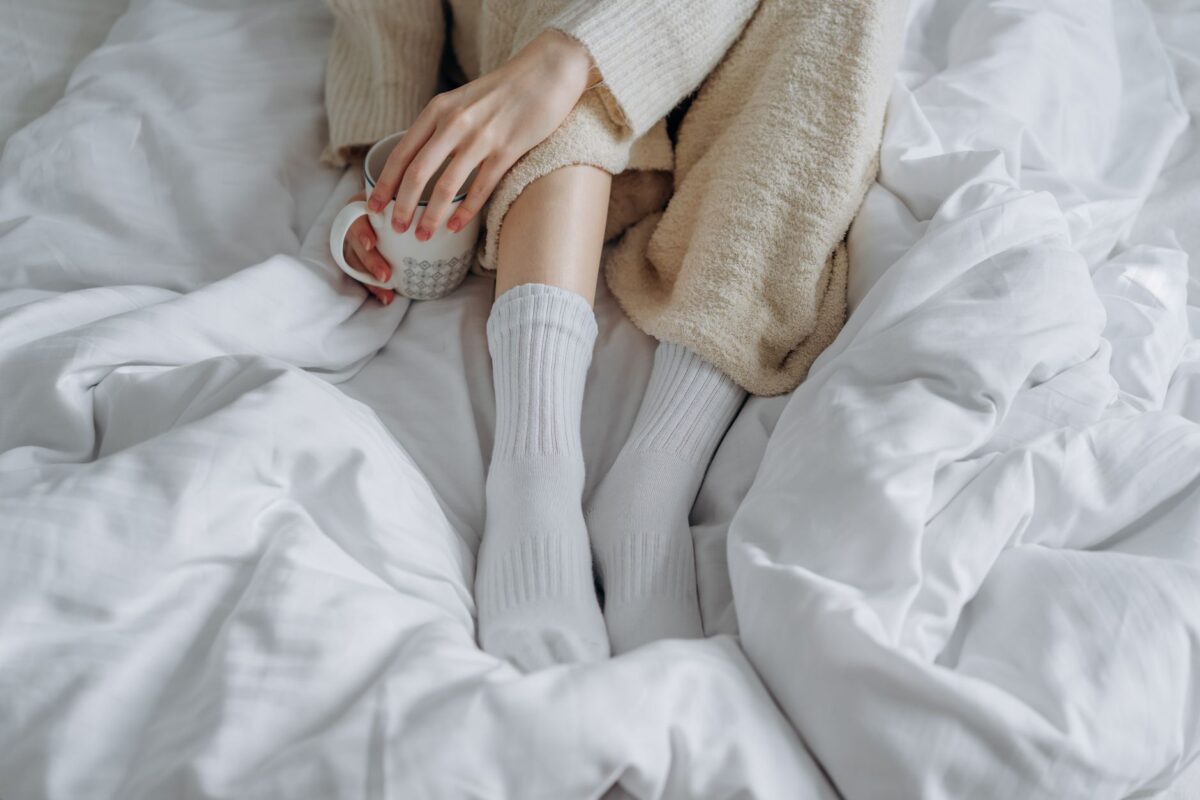
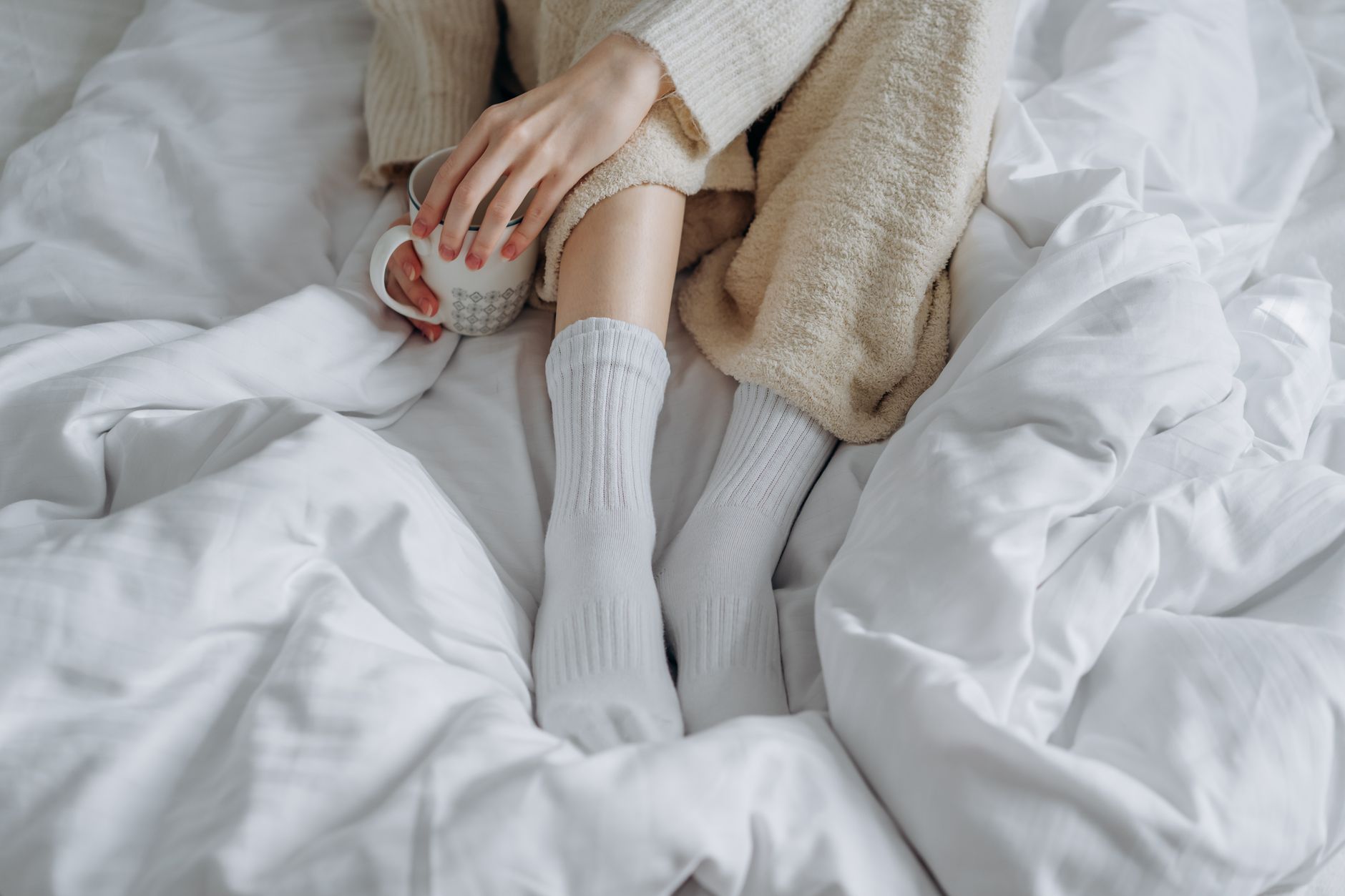
- a good pair of bed socks for cold feet
Hot water bottles and electric blankets each come with their own safety advice, set out in RoSPA’s hot water bottle tips and electric blanket and heated throw safety.
Temperature is one of several parts of the room the Sleep Charity looks at; it also covers lighting, noise, beds and pillows, and clutter. Ideas for the wider space are in creating a calming home environment.
If heating the bedroom is hard to afford
UKHSA acknowledges that people in financial difficulty may find it more difficult to heat their homes sufficiently, which it says increases the risk of becoming unwell due to cold exposure. Its guide points to grants, benefits and sources of advice to help make a home more energy efficient, improve heating or manage energy bills, and says some people who claim certain benefits or tax credits may be eligible for extra cost-of-living payments. It also lists Age UK’s advice line, 0800 169 6565, quoting “WINTER”.
When it is more than a cold room
The Sleep Charity runs a National Sleep Helpline on 03303 530 541 for people who need urgent help with their sleep. The NHS says to see a GP if changing sleeping habits has not helped, if trouble sleeping has lasted for months, or if it is affecting daily life in a way that makes it hard to cope.
The bottom line
The Sleep Charity puts the ideal bedroom temperature for sleep at around 16 to 18°C, with over 24°C likely to cause restlessness and about 12°C making it hard to drop off. UKHSA and the NHS advise heating the bedroom to at least 18°C in winter and keeping bedroom windows closed at night, with older people and young children among those more at risk from cold. A room thermometer, seasonal bedding and bed socks are among the Sleep Charity’s suggestions for staying comfortable.
Sources
- Sleep Environment, The Sleep Charity, read 23 November 2026 (thesleepcharity.org.uk)
- Keeping warm and well: staying safe in cold weather, UKHSA, updated 28 April 2026 (gov.uk)
- The surprising ways cold weather can affect your health, UKHSA blog, 13 November 2026 (ukhsa.blog.gov.uk)
- Winter vaccinations and winter health (keep warm, keep well), NHS, page last reviewed 16 November 2022 (nhs.uk)
- Insomnia, NHS, page last reviewed 19 March 2024 (nhs.uk)

 English
 French