
Uncategorized
Foot Self-Massage: Hands, Ball and Foot-Spa Options
Sep
After a day on your feet, few things feel better than taking your shoes off and giving your feet some attention. There are three simple ways to do it at home: with your hands, with a soft ball, or with a foot spa. This guide explains each, compares them, and sets out who needs to take extra care. That last part matters more for feet than for most areas, particularly if you have diabetes or reduced feeling in your feet.
Option 1: using your hands
- Sit securely. Rest one foot on the opposite thigh if that is comfortable for your hips and knees. If it is not, put the foot up on a low stool in front of you.
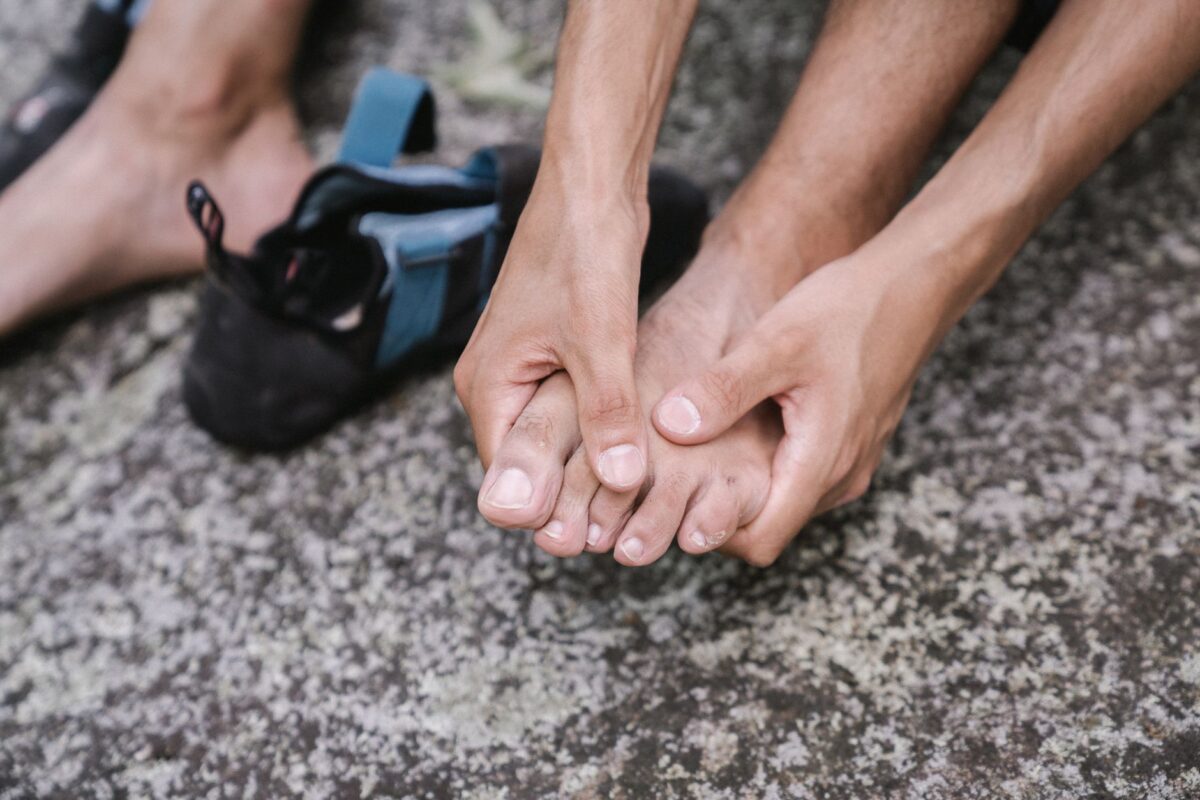
- Hold the foot in both hands and make slow strokes along the sole with both thumbs, from the heel towards the toes.
- Use your thumb pads to make small circles across the fleshy ball of the foot and along the arch. Keep the pressure mild.
- Gently squeeze the heel pad a few times.
- Hold each toe near its base and move it through a small, comfortable range. Do not pull or crack the joints.
- Finish with broad strokes over the top of the foot, with lighter pressure, as there is little padding there.
Two to three minutes a foot is plenty. A little plain moisturiser reduces friction. Wipe off any residue before you stand, particularly on hard floors.
Option 2: using a soft ball
Sit in a chair and place a soft massage ball under one foot. Roll it slowly from the heel towards the ball of the foot and back, keeping your weight in the chair and your other foot flat on the floor so you control the pressure. A minute or two on each foot is enough.
- Do this seated. Do not stand on a hard ball.
- Do not roll through sharp pain.
- Keep it slow.
Option 3: using a foot spa
A foot spa combines warm water with bubbles or vibration. The rules that matter are the ones in the manual for your particular model, so read it, including the maximum water level, whether the unit heats water or only keeps it warm, and what, if anything, can be added to the water. Our step-by-step guide to how to use a foot spa covers set-up, additives and cleaning in full.
- Check the temperature before your feet go in. Use your wrist or elbow, not your feet.
- Inspect the cable, plug and basin before each use. Do not use a unit with any damage.
- Fill and empty it unplugged, and keep the plug and socket dry.
- Do not add oils or salts unless the manual says the model allows it.
- Sit down throughout. Never stand in a foot spa.
- Dry your feet thoroughly afterwards, including between the toes.
Which to choose
| Option | Good for | Keep in mind |
|---|---|---|
| Hands | Full control of pressure; no equipment | Needs a comfortable way to reach your feet |
| Soft ball | People who find it hard to reach their feet; a quick break | Seated only, mild pressure |
| Foot spa | Warmth and an unhurried evening routine | Electrical and temperature checks; not suitable for everyone |
If you have diabetes or reduced feeling in your feet
This group needs particular care. Diabetes UK explains that people living with diabetes are much more likely to develop problems with their feet, that these can be serious, and that foot problems can get worse quickly, especially if the feeling in the feet has changed. Its foot-care advice includes checking your feet every day, and when washing, always checking the water temperature with your wrist or elbow before you put your feet in. It specifically advises people with diabetes to avoid soaking their feet, because soaking makes the skin more likely to get damaged.
That advice is a poor fit with a foot spa. If you have diabetes, reduced sensation, circulation problems, or any wound, infection or significant swelling on your feet, speak to your healthcare team or a podiatrist before using a foot spa, heat or firm massage. Diabetes UK advises that if you notice a problem with your foot, you should ask for an appointment to get it checked as soon as you can.
Safety
Stop straight away if you feel sharp, electric or worsening pain, tingling, dizziness, numbness, weakness, unusual swelling, breathlessness, or you simply feel unwell.
Do not massage the foot over broken, infected or inflamed skin, bruising, unexplained swelling, a suspected blood clot, a recent injury or surgical site, a numb area, or anywhere a clinician has told you to avoid.
Get individual advice first if you are pregnant, take anticoagulant medicine, or have a bleeding disorder, reduced sensation, fragile bones, a diagnosed vascular condition, an implanted medical device, recent surgery, or treatment that may affect whether massage is suitable for you.
A leg that is newly swollen, painful, or red or darkened in one area should not be massaged. The NHS lists throbbing pain and swelling in one leg, usually in the calf or thigh, among the symptoms of deep vein thrombosis, and says to get medical help as soon as possible if you think you have it. Our calf self-massage guide explains the warning signs.
The US National Center for Complementary and Integrative Health says the risk of harmful effects from massage therapy appears to be low, but that there have been rare reports of serious side effects such as a blood clot, nerve injury or bone fracture, some involving vigorous types of massage or people at increased risk of injury, such as elderly people. That is the reason every routine here uses mild pressure. It also advises against using massage to postpone seeing a health care provider about a medical problem.
The bottom line
Hands give you the most control, a soft ball is the easiest option if reaching your feet is awkward, and a foot spa adds warmth if it is suitable for you. Keep pressure mild, stay seated, check water temperature with your wrist or elbow, and check electrical equipment before each use. If you have diabetes or reduced feeling in your feet, get advice before using heat, soaking or firm pressure.
Sources
- National Center for Complementary and Integrative Health, “Massage Therapy: What You Need To Know”
- Diabetes UK, “How to look after your feet”
- NHS, “DVT (deep vein thrombosis)”
Last reviewed: 19 September 2026. This article is general information about everyday relaxation and is not medical advice.

 English
 French