
Uncategorized
Hand and Palm Massage: A Five-Minute Routine
Sep
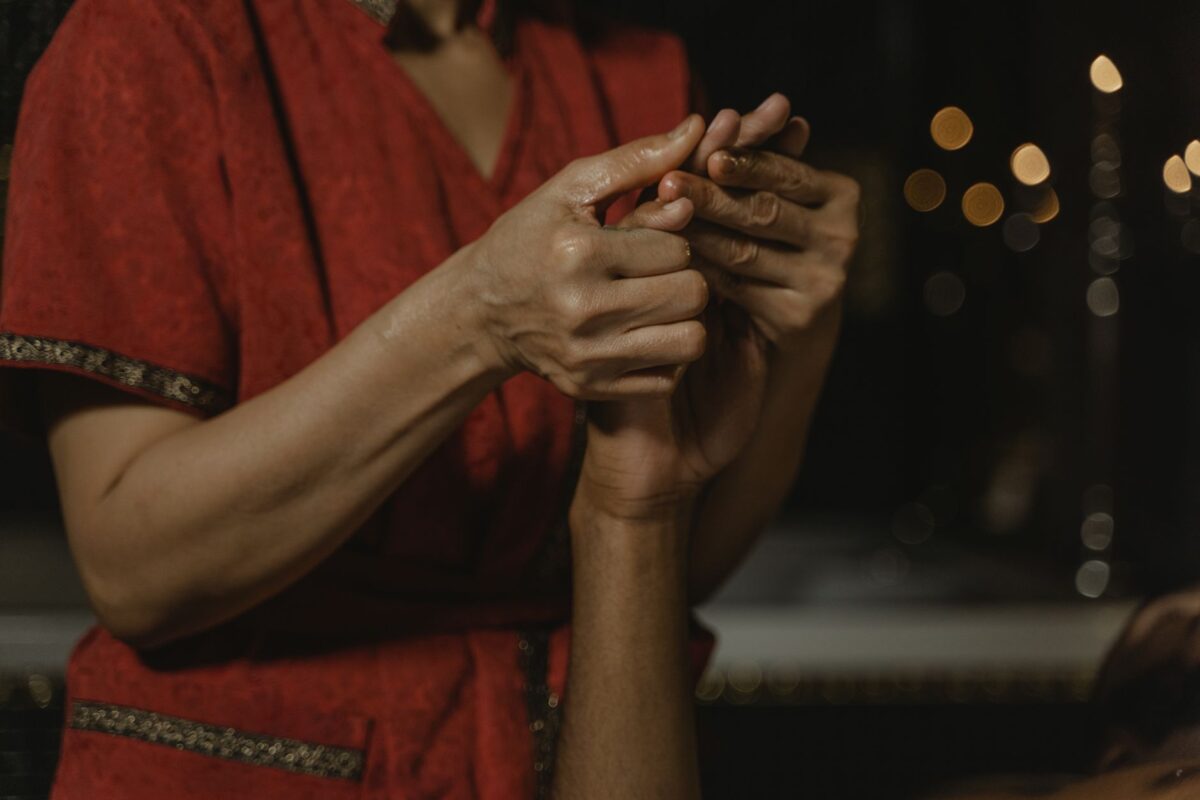
Hands do an enormous amount of work and get almost no attention. A hand massage is one of the simplest forms of self-massage there is: you need no equipment, you can do it almost anywhere, and you can see exactly what you are doing. This five-minute routine is designed as a quiet break, at a desk or on the sofa in the evening. The aim is comfortable touch and easy movement, not pressing as hard as you can.
Before you start
- Rest the forearm of the hand you are massaging on a table, cushion or your thigh, palm up, so the hand can go limp.
- Take off rings and watches if they get in the way.
- A small amount of unscented hand cream or lotion reduces friction. Avoid any product that irritates your skin, and wipe off slippery residue before you drive, cook or handle tools.
- Keep the pressure light to moderate. It should feel pleasant throughout.
The five-minute routine
Spend about two and a half minutes on each hand.
- Warm-up strokes (20 seconds). With the palm of your other hand, make slow, broad strokes from the wrist to the fingertips, first on the palm side and then on the back of the hand.
- Palm circles (40 seconds). Use the pad of your thumb to make small, slow circles across the fleshy parts of the palm. Work systematically from one side to the other. Go lighter in the centre of the palm and near the wrist crease.
- Thumb base (30 seconds). Gently squeeze and release the padded muscle at the base of the thumb between your opposite thumb and fingers.
- Outer edge (20 seconds). Do the same along the padded outer edge of the palm below the little finger.
- Fingers (30 seconds). Hold each finger near its base and glide slowly towards the tip. Do not pull or twist the joints.
- Finish (10 seconds). Slowly open the hand wide, then make a soft fist. Repeat five times.
Then change hands. If you are short of time, steps 2 and 3 alone make a good one-minute version.
Keeping it comfortable
- Do not press directly on joints, especially a swollen or sore knuckle or the wrist.
- Do not dig into a spot that produces tingling or an electric feeling. Move away from it.
- Swap hands if the working hand tires. A hand massage should not leave the other hand aching.
When to use it
This routine fits well into a screen break, alongside the forearm routine in our guide to forearm massage for desk workers and the ideas in relaxation at work. It also works as a calm, screen-free step in an evening wind-down routine, and it is an easy thing to offer someone else.
Tingling, numbness and weakness are not massage problems
A hand that simply feels tired is one thing. Persistent symptoms are another. The NHS describes carpal tunnel syndrome as pressure on a nerve in the wrist, with symptoms that include an ache or pain in the fingers, hand or arm, numb hands, tingling or pins and needles, and a weak thumb or difficulty gripping, often worse at night. Massage is not among the NHS self-help measures for it. Those are wearing a wrist splint at night, cutting down on activities that make you frequently bend the wrist or grip hard, and short-term painkillers, and the NHS notes there is a small amount of evidence that hand exercises help. It advises seeing a GP if symptoms are getting worse or not going away.
The NHS also lists hands and fingers among the areas affected by repetitive strain injury, with symptoms including pain, stiffness, weakness, tingling, numbness, cramps and swelling, and advises seeing a GP if those symptoms are not going away or are getting worse.
Safety
Stop straight away if you feel sharp, electric or worsening pain, tingling, dizziness, numbness, weakness, unusual swelling, breathlessness, or you simply feel unwell.
Do not massage the hand over broken, infected or inflamed skin, bruising, unexplained swelling, a suspected blood clot, a recent injury or surgical site, a numb area, or anywhere a clinician has told you to avoid.
Get individual advice first if you are pregnant, take anticoagulant medicine, or have a bleeding disorder, reduced sensation, fragile bones, a diagnosed vascular condition, an implanted medical device, recent surgery, or treatment that may affect whether massage is suitable for you.
Changes in the colour of your fingers, significant swelling, or loss of sensation deserve proper healthcare advice.
The US National Center for Complementary and Integrative Health says the risk of harmful effects from massage therapy appears to be low, but that there have been rare reports of serious side effects such as a blood clot, nerve injury or bone fracture, some involving vigorous types of massage or people at increased risk of injury, such as elderly people. That is the reason every routine here uses mild pressure. It also advises against using massage to postpone seeing a health care provider about a medical problem.
The bottom line
Support the forearm, use slow strokes and small thumb circles across the fleshy palm, give the base of the thumb some attention, glide along each finger without pulling, and finish by opening and closing the hand. Keep it light and keep off the joints. If tingling, numbness or weakness keeps coming back, see your GP.
Sources
- National Center for Complementary and Integrative Health, “Massage Therapy: What You Need To Know”
- NHS, “Carpal tunnel syndrome”
- NHS, “Repetitive strain injury (RSI)”
Last reviewed: 19 September 2026. This article is general information about everyday relaxation and is not medical advice.

 English
 French