
Uncategorized
Forcing Hyacinths, Paperwhites and Amaryllis Indoors as a Slow Winter Project: What Three RHS Pages Say About Planting Dates, the Cool Dark Wait, Bringing Pots In and Where They Differ
Nov
Hyacinths, paperwhite narcissi and amaryllis are the bulbs the Royal Horticultural Society (RHS) names for indoor flowering around Christmas and New Year, and growing them is a slow job measured in weeks of waiting. This article follows the RHS pages on Christmas-flowering bulbs, on creating an early spring indoors and on Hippeastrum (amaryllis), all read on 9 November 2026 and all undated. The three pages do not always agree, and where they differ the differences are reported side by side.
Step 1: choose the bulb, then the date
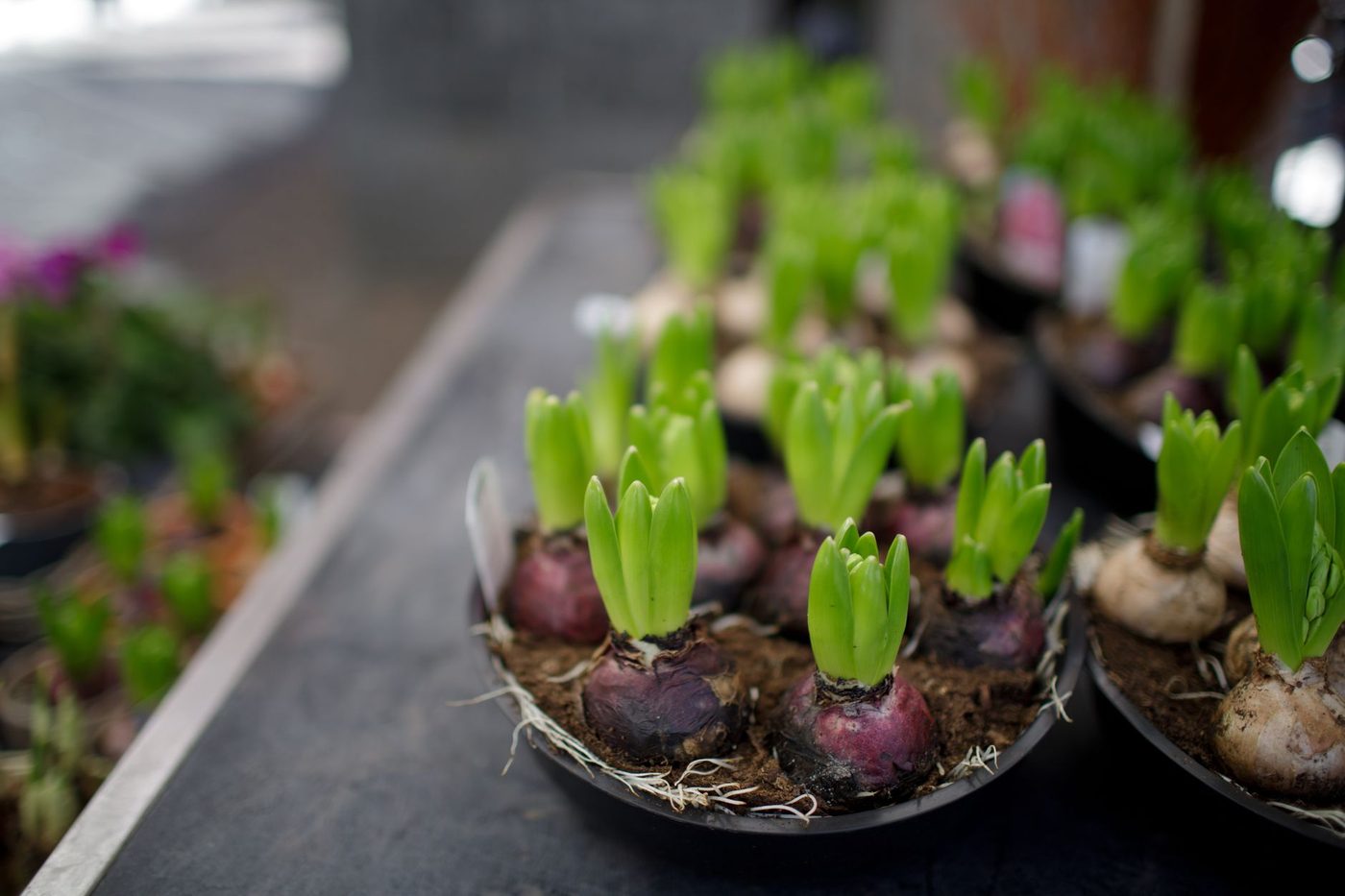
The Christmas page says hyacinths bought for Christmas should be labelled “prepared”, and the early spring page describes prepared hyacinth bulbs as temperature-treated to flower early. The page says the timings for hyacinths vary by cultivar and gives two examples: ‘Pink Pearl’ needs 10 weeks of cool conditions followed by 22 days indoors, so planting on 24 September for Christmas blooms, while ‘Anna Marie’ needs 8 weeks cool and 18 days inside, planting on 12 October. It adds that low temperatures will delay development, so some experimentation may be needed. Paperwhite daffodils are also planted in September on that page, and should flower 6 to 10 weeks from planting. Hippeastrum is planted in October for Christmas flowers, taking about 10 weeks from planting to flowering.
Step 2: pot them up

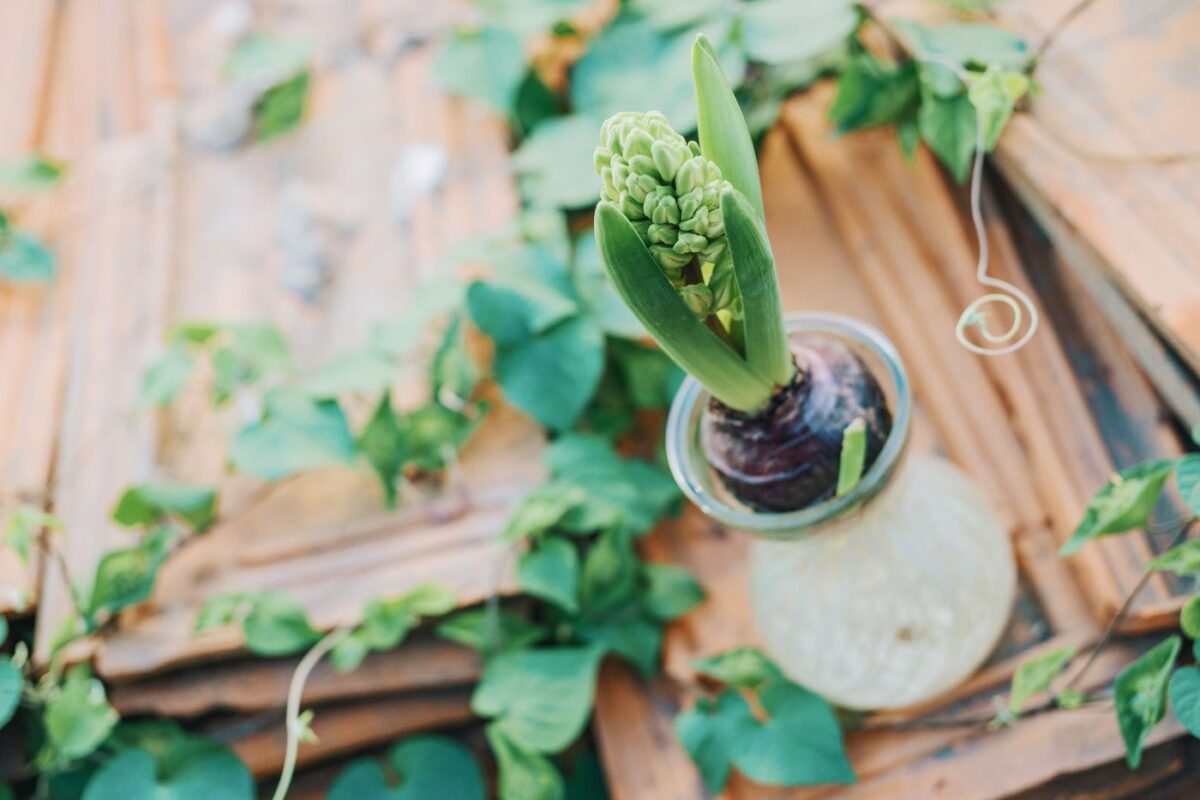
The early spring page suggests a bowl or wide pot with at least five bulbs in a group for more impact, using bulb fibre in pots without drainage holes. The Christmas page describes setting bulbs on a layer of wet fibre or compost, close together but not touching each other or the sides, with the tops of the bulbs just showing and about 1cm below the rim. For a hyacinth in a bulb vase, it says the water level should be just below the bottom of the bulb. The Hippeastrum page is different: plant it in a pot a little larger than the bulb, with two-thirds of the bulb remaining above the surface.
Step 3: the cool, dark wait
The Christmas page says that after planting the bulbs need a dark and cool period, ideally 9°C (48°F), to develop a good root system. Its first method is a black polythene bag in a cellar or a dark corner of a shed or garage; its second is a cool, sunless spot outdoors such as against a north-facing wall, covered with 15cm of bark or compost. The early spring page says to place the pot in a dark corner of a frost-free shed or garage, covered with a cardboard box if needed to seal out light, and to check weekly, watering only if the compost is dry.
Step 4: bring them in

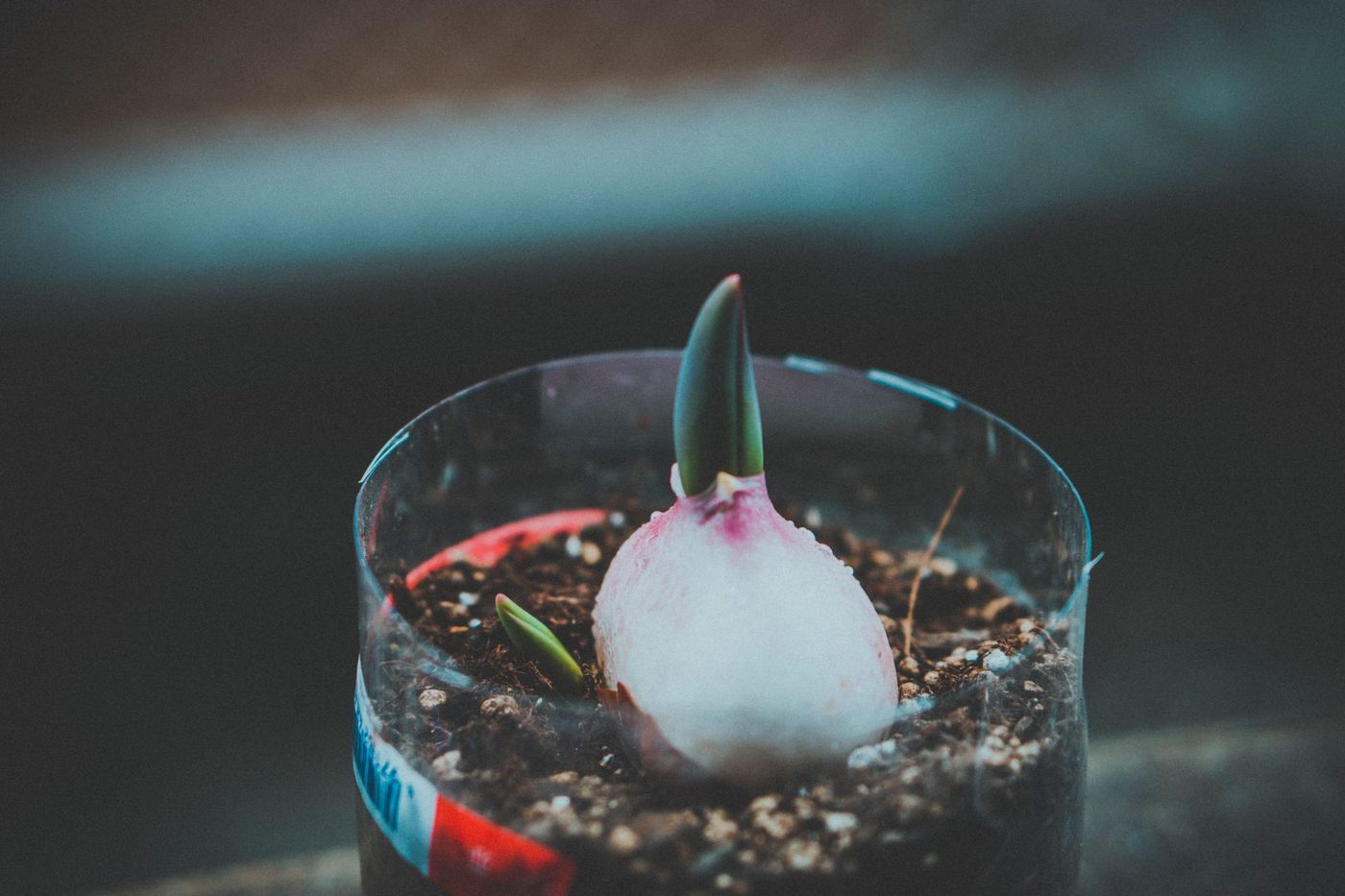
Both of those pages give the same cue: when the shoots are 4 to 5cm long (the Christmas page adds that roots should have developed), the pots can come indoors. The Christmas page says to start in a cool room away from bright light so the leaves green up, then move the pots near a window in warmer surroundings, away from draughts and from heat sources such as a shelf above a radiator. If the leaves develop faster than the flower buds, it says to move the pots somewhere cooler and cover them again to keep them dark for a day or two, but no longer than that or the leaves may begin to turn pale. The early spring page says cooler spots out of direct sunlight encourage the leaves to green up, while a brighter position will accelerate blooming. For Hippeastrum, the page says to move the plant to a cooler place, about 15 to 18°C (60 to 65°F), once in flower to extend the flowering period.
Where the three pages differ
- Time to flower: the Christmas page says about 10 weeks from planting for Hippeastrum, the Hippeastrum page says about six to eight weeks after planting, and the early spring page says to allow 6 to 10 weeks depending on species, cultivar and temperature.
- Planting window: the Hippeastrum page gives October to January, while the Christmas page gives October for Christmas flowers.
- Paperwhites and amaryllis in the dark: the early spring page says that for most bulbs other than prepared hyacinths, including paperwhites and Hippeastrum, a few weeks in a dark, cool shed or garage after potting is enough. The Christmas page says a warm, sunny windowsill for paperwhites after watering well, and the Hippeastrum page says a well-lit spot at 21°C (70°F).
After the flowers
The Christmas page says paperwhites are not hardy in most parts of the UK and are best allowed to dry off and stored for replanting in containers later in the year. Hyacinths should die down naturally and can then be planted in the garden at twice their own height. Hippeastrum bulbs, it says, can be kept in active growth for a few months, then rested and brought into flower again.
The bottom line
The RHS gives dated examples for Christmas flowering: hyacinths planted 24 September or 12 October, paperwhites in September and Hippeastrum in October. Its Hippeastrum page gives a wider October to January window and a shorter six to eight weeks to flower. All three pages describe a pot, a cool and mostly dark wait for most bulbs, bringing the pot indoors when shoots are 4 to 5cm long, and keeping it away from heat. They differ on how long bulbs take and on whether paperwhites and amaryllis need the dark period.
Sources
- Bulbs for Christmas flowering, RHS Advice, The RHS Advice Team, page undated, read 9 November 2026 (rhs.org.uk)
- How to create an early spring indoors, RHS, adapted from an item in The Garden magazine, page undated, read 9 November 2026 (rhs.org.uk)
- Hippeastrum, RHS Advice, The RHS Advice Team, page undated, read 9 November 2026 (rhs.org.uk)

 English
 French