
Uncategorized
Sowing Sweet Peas in Late Autumn as a Slow Winter Project: What the RHS Growing Guide and the National Sweet Pea Society Say About the October and November Window, Compost, Soaking Seed, the Cold Frame and Where They Differ
Nov
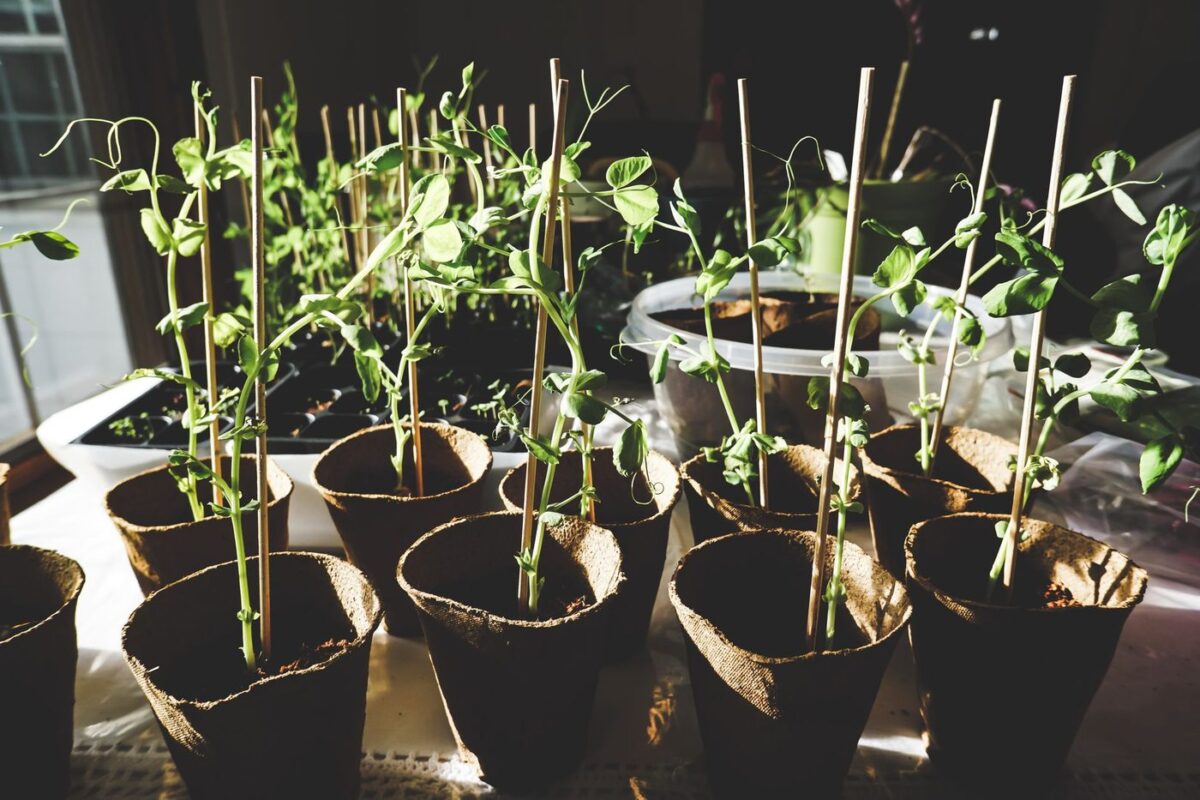
Sweet peas sown in November are a slow winter project: a pot of seed on a windowsill or in a cold frame that does not flower until the following summer. Two UK pages give instructions for it, and they do not say quite the same thing. This article lays out the RHS Growing Guide for Lathyrus and the National Sweet Pea Society’s “Hints on growing”, both read on 10 November 2026 and neither dated. The Society says its suggestions are for summer flowering varieties in the UK. The RHS plant profile also says that the pods and seeds are not edible.
Where the two pages agree
- Both give an autumn sowing window that includes November.
- Both say autumn-sown seedlings spend the winter in a cold frame or cold greenhouse.
- Both say seed is covered with 1cm of compost.
- Both say autumn-sown seedlings branch on their own: the RHS says autumn-sown seedlings often branch naturally, and the Society says autumn-sown plants will normally produce side shoots naturally.
Where they differ
| Question | RHS Growing Guide | National Sweet Pea Society |
|---|---|---|
| When to sow | October to November or late January to April | October and November in the south or Midlands; January to February in Northern areas |
| Compost | Peat-free seed compost | A general multi-purpose compost is sufficient; seed composts are best avoided |
| Seed coat | Hard seed coat; soften on moist kitchen tissue in a warm room, or some gardeners soak overnight | Do not soak seeds before sowing, as this may reduce germination |
| Containers | One seed in a rootrainer or 9cm pot, or five to seven seeds in a 13cm pot | Eight seeds in a 12.5cm pot, one seed per cell in deep Rootrainers, or 50 in a seed tray |
| Temperature | Keep at about 15C | Germination best at about 15C to 18C |
| Planting out | April | Autumn-sown plants about mid-March, depending on location |
The seed coat question in more detail
The RHS says sweet peas often have a hard seed coat that makes them more difficult to germinate. Its method is to place seeds on a layer of moist kitchen tissue in an airtight container in a warm room and sow them as soon as they swell or begin to sprout. It adds that some gardeners prefer to soak the seeds overnight but that this can lead to them rotting if they are not sown immediately afterwards, and that for stubborn seeds that have not swollen a small chip can be removed from the hard seed coat opposite the “eye”. The Society, by contrast, says not to soak seeds in water before sowing. It does not mention chipping or the tissue method on the page read. Neither page says which approach suits a particular packet of seed.
Containers and the first weeks
The RHS says pot-sowing is generally more reliable than direct sowing, though more time-consuming, and that direct sowing waits for the soil to show signs of warming, usually in April. For pots it says to cover the seeds with 1cm of compost, water in and keep at about 15C, and to pinch out the shoot tip of seedlings that reach 7.5 to 10cm.
The Society says to water seeds in gently and then avoid further watering until germination can be seen, to reduce the risk of disease and rotting off, and that germination can take place in 7 to 14 days. It also says to protect seedlings against mice.
The winter wait
The RHS says that if you sow in autumn to increase the chances of early flowers, seedlings should be kept in a cold frame or cold greenhouse over winter to prevent them becoming leggy, with the lid of the cold frame kept raised unless heavy frost is expected. The Society says autumn-sown seedlings are hardy annuals that will stand moderate frost down to minus 5C and must be kept cool on sunny winter days. These two statements are about the same stage but are worded differently, so they are reported side by side here.
Looking ahead to spring
For plants raised indoors, the RHS says to harden off seedlings for 10 to 14 days before planting out to prevent cold shock, and to space plants 20 to 30cm apart; it says spring-sown sweet peas flower in 12 to 14 weeks and does not give a figure for autumn-sown ones. The Society says the planting area should have been prepared in autumn, and that the primary stem of autumn-sown plants should be removed before planting out.
The bottom line
The RHS and the National Sweet Pea Society both give an autumn sowing window that includes November and both keep autumn-sown seedlings in a cold frame or cold greenhouse through the winter. They differ on compost, on soaking seed, on pot sizes and numbers, on temperature and on when to plant out, and the Society limits its sowing dates by region. Neither page rules on the other’s method, so the choice is reported here as theirs, not as a recommendation.
Sources
- How to grow lathyrus, RHS Growing Guide, Royal Horticultural Society, page undated, read 10 November 2026 (rhs.org.uk)
- Hints on growing, Growing, National Sweet Pea Society, page undated, read 10 November 2026 (sweetpeas.org.uk)
- Lathyrus odoratus, plant profile, Royal Horticultural Society, page undated, read 10 November 2026 (rhs.org.uk)

 English
 French