
Uncategorized
Swedish Massage: Strokes, Sessions and a Safe Home Routine
Sep
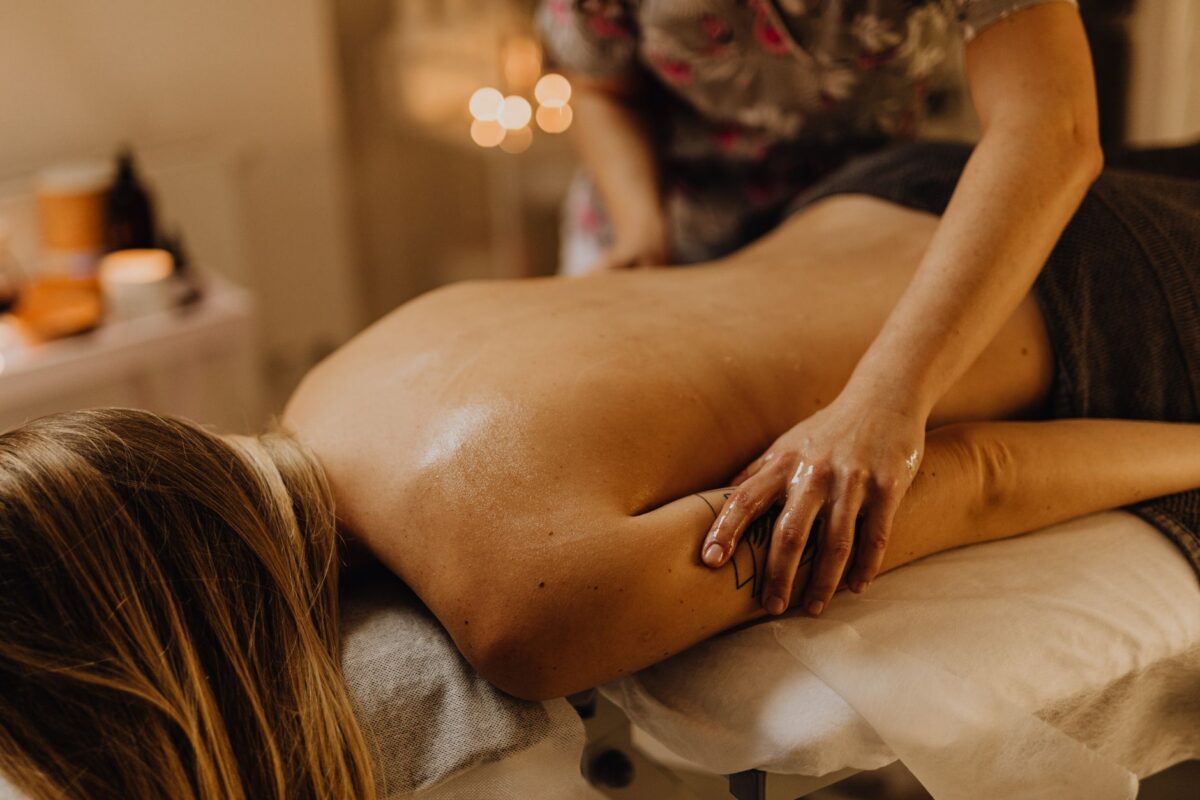
Swedish massage is the oil-based, full-body table massage most people picture when they hear the word “massage”, and if you book a session without naming a style, it is probably what you will get. The US National Center for Complementary and Integrative Health describes Swedish, or classical, massage as the most common form of massage therapy in Western countries and the core of most training programmes. The therapist uses oil or lotion, works one area at a time while the rest of you stays covered, and builds the session from a small set of named strokes. The name promises no particular depth: one practitioner’s Swedish massage is slow and sleepy, another’s brisk, so saying what you want matters more than the label. This guide covers its origins, what should happen before, during and after a session, what the research supports, and which basic strokes are safe to try at home.
Origins: Ling, Mezger and the French names
The roots are European and nineteenth-century. Pehr Henrik Ling (1776 to 1839) founded the Royal Central Gymnastics Institute in Stockholm in 1813 and built a system of movement and manual therapy known abroad as Swedish gymnastics; he is often called the father of Swedish massage, although massage was a minor part of his method and historians note it was not formally on the institute’s curriculum. The stroke vocabulary is more closely tied to the Dutch physician Johann Georg Mezger (1838 to 1909), who ran a successful massage practice in Amsterdam from the 1860s. The French stroke names are usually linked to Mezger’s circle.
The five classical strokes
- Effleurage: long gliding strokes with the whole palm, used to spread oil, warm the area and finish it. Most of a relaxation session is effleurage.
- Petrissage: kneading, lifting and rolling of fleshy tissue, such as the top of the shoulders or the calf, done slowly and with feedback.
- Friction: small circular or across-the-fibre movements with the fingertips or thumb on a specific spot, used sparingly.
- Tapotement: rhythmic tapping, cupping or hacking, more stimulating than relaxing and optional.
- Vibration: gentle shaking or trembling of a muscle or limb.
These are options, not a checklist; a sleepy session may use only effleurage and light petrissage.
Before the session: the consultation
A responsible practitioner asks questions before you get on the table: what you want from the session; relevant health information, including conditions, medicines, recent injuries or operations, and pregnancy; areas you do not want touched; how much pressure you like; and any sensitivities to oils. The NHS in the UK advises telling your therapist about any conditions, medicines or other treatments, and that holds anywhere. No history at all is a warning sign; our guide to massage and wellness red flags lists the others.
During the session
You should be given privacy to undress to the level you are comfortable with and to get under a towel or sheet, with only the area being worked on uncovered. Ask for a bolster under the knees or ankles if a position is uncomfortable. A good therapist checks the pressure early on, and you can ask for more or less, ask them to skip an area, or stop the session altogether. Consent applies throughout, not only at booking. A full-body session usually lasts 50 to 90 minutes.
Does it need to hurt?
No. Pressure can range from light to firm, but pain is not evidence of a better treatment. If you find yourself bracing, holding your breath or counting the seconds, ask for less pressure immediately, and mention any sharp, burning, electric or otherwise unpleasant sensation straight away. For sustained, focused pressure on one or two areas, read deep tissue massage explained; the massage types comparison puts this and other styles side by side.
What the evidence says
Massage is widely used for relaxation, and that is a perfectly good reason to book one. The National Center for Complementary and Integrative Health reports that several evaluations found only weak evidence that massage may help low-back pain, and describes the benefits found for neck and shoulder pain as short-term. It also advises against using massage to postpone seeing a health care provider about a medical problem, and the NHS makes a similar point: ask a doctor about symptoms that do not go away or keep coming back, rather than only talking to a therapist. Swedish massage is a relaxation service, not a remedy for a medical condition or a substitute for prescribed care.
Suitability, contraindications and red flags
The same US body says the risk of harmful effects from massage appears to be low, with rare reports of serious side effects such as a blood clot, nerve injury or bone fracture, some involving vigorous techniques or people at higher risk. Tell the therapist about pregnancy, recent surgery, blood-thinning medicines, bleeding disorders, osteoporosis, cancer treatment, diabetes with reduced sensation, or any history of clots so they can adapt or decline. Massage is not applied over recent bruising, broken skin, a new strain, varicose veins, infection, or any area that is swollen, hot or painful for an unexplained reason. Sharp, electric or spreading pain, tingling, numbness or dizziness are stop signals, and a relaxing session is never a reason to put off having an unexplained symptom assessed.
Choosing a practitioner
Rules on who may practise massage vary between countries, and registration is often voluntary. The UK is one example: the NHS explains that complementary therapists, unlike chiropractors and osteopaths, do not need to be registered by law, and advises choosing one who belongs to a professional organisation accredited by the Professional Standards Authority. Elsewhere, look for a local licence, register or verifiable qualification, plus clear pricing, clean premises, a proper consultation and insurance. Our guide on how to choose a qualified massage therapist has the questions to ask.
After the session
Get up slowly. Mild tenderness the next day after firmer work is possible. Significant pain or bruising should be mentioned to the practitioner and checked by a health professional. New numbness, tingling, weakness, a swollen, hot or red limb, chest pain or breathlessness are different: do not wait to see whether they pass. Stop, and seek prompt medical advice, or urgent help if they are severe or sudden. Between appointments, self-massage and foam rolling covers gentle options at home.
Learning safely at home
Two things need no table or training. First, your own forearm: rest it on a cushion, apply a little oil, and make a few slow gliding strokes with the opposite palm from wrist to elbow, then gently knead the fleshy middle, keeping clear of the elbow and wrist joints. Stop at the first sign of discomfort; the forearm massage for desk workers routine adds joint exclusions.
Second, a short seated shoulder routine for a partner, over clothes and with no oil. Agree where you will and will not touch, and ask for feedback throughout. Standing behind them, glide both palms outward from the base of the neck toward the shoulder tips, then lightly knead the fleshy muscle on top of each shoulder, keeping away from the bony tip, the spine and the front and sides of the neck. No friction, no tapping and no leaning your body weight in; our shoulder self-massage guide covers the areas to avoid.
Common questions
What is the short version? Flowing strokes and kneading at a pressure you choose, after a proper consultation and with proper draping. Check your therapist’s registration, be open about your health, and be wary of any promise of a cure.
Educational information, not medical advice. For actual pain, persistent or unexplained symptoms, injury, or anything that worries you, seek assessment from a qualified health professional before trying or receiving massage. Stop any technique that causes pain.
Sources
- Wikipedia, “Pehr Henrik Ling”, accessed October 2026 (dates, 1813 institute, massage not formally in the curriculum).
- history.physio (Netherlands), “Johann Mezger and the modern science of massage”, accessed October 2026.
- Royal College of Nursing Archive (UK), British Journal of Nursing, vol. 38, “Massage” (effleurage and petrissage terms predating Mezger), digitised archive.
- National Center for Complementary and Integrative Health (USA), “Massage Therapy: What You Need To Know”, accessed October 2026 (most common form; back and neck pain evidence; low risk; do not postpone care).
- NHS (UK), “Herbal medicines and complementary therapies”, accessed October 2026 (tell your therapist; registration not required by law; accredited registers).
- Professional Standards Authority (UK), “Our work with Accredited Registers”, accessed October 2026.
- American Massage Therapy Association (USA), “History of massage”, Massage Therapy Journal, accessed October 2026 (Ling and Mezger).

 English
 French