
Uncategorized
Learning Birdsong as a Slow Listening Habit: What the RSPB’s Bird Song Identifier and Sounds of Spring Activity and the BTO’s Field Craft Article Say About One Song a Week, Garden Birds Heard Through the Year and Listening for a Minute
Nov
Two bird charities publish beginner advice on learning birdsong. This article reads their pages on how to start: the RSPB’s “Bird song identifier: 15 common bird sounds for beginners” and its “Sounds of spring” activity, both undated, and a BTO “Learning birdsong” field craft article from BTO News, Spring 2017. All were read on 12 November 2026. The BTO piece is written for spring, so this article notes where the advice is seasonal.
What counts as a song
The BTO defines a song as any sound made for defending and advertising a territory and attracting a mate. It says song can be heard throughout the year but is most prominent during the spring, famously so with the dawn chorus, and that some birds do not sing but use other sounds for these purposes, a woodpecker drumming for instance.
One song a week
Both organisations suggest a slow pace. The RSPB suggests focusing on just one birdsong per week, and says that on this basis the top garden visitors on its page could be identified confidently in just over three months. The BTO says to resolve to add one new species to a repertoire each week and not to worry about the other noises. It suggests becoming familiar with the Wren, Robin, Blackbird and Chaffinch, and says this will help in picking out new songs as spring progresses.
Which songs the RSPB says run through the year
The RSPB’s page lists 15 species with a “when” note for each. Several are described as singing all year or throughout the year:
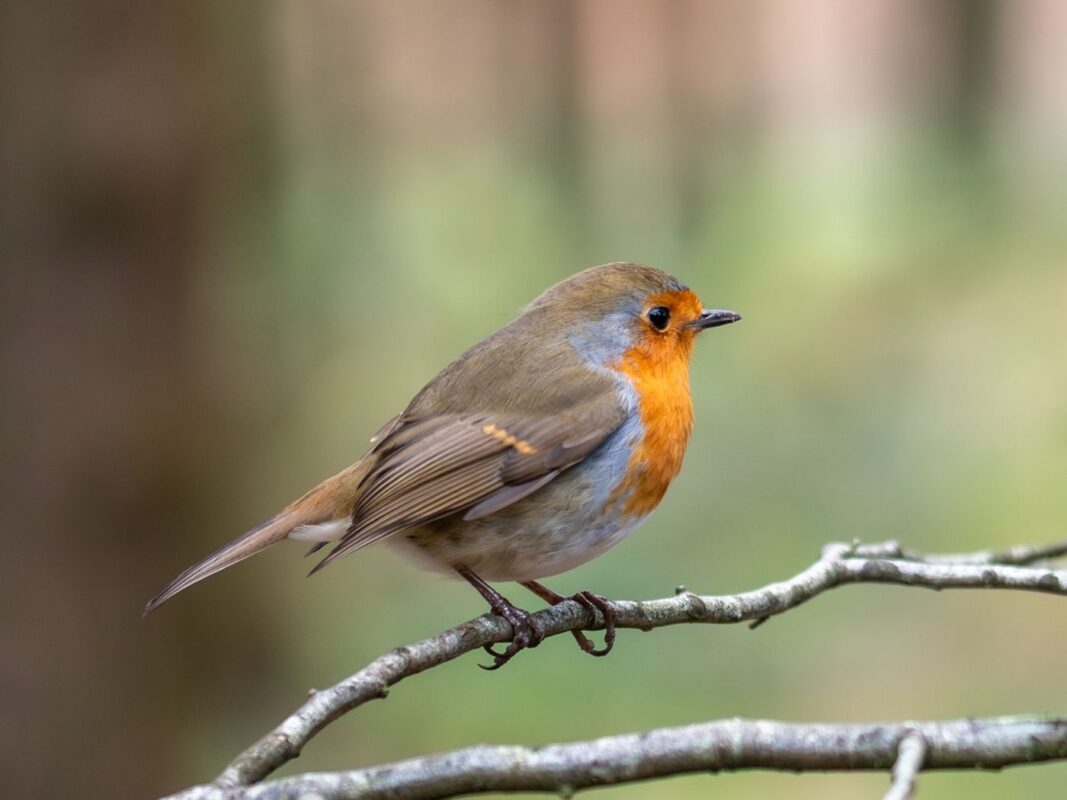
- Robin: all year round, apart from a quieter period when moulting in July and August; the RSPB adds that Robins are notorious night-time vocalists, with streetlights increasing the regularity of their after-dark performances.
- Wren: all year round, dawn to dusk, but best heard in the breeding season between March and May.
- Blackbird: the song can be heard all year round, but most regularly between March and June.
- Great Tit: vocal all year round, with the most distinctive song more likely in spring and summer.
- Goldfinch: throughout the year.
- Song Thrush: can be heard all year round, and the RSPB says numbers are boosted in winter by birds from Europe.
Others are given a season. The Chiffchaff is most likely to be heard in spring, Dunnocks from March to May, and Chaffinches in full song in spring and summer, although their contact call can be heard throughout the year. The Greenfinch begins to sing as early as January.
How to listen, according to the BTO
The BTO says everyone hears and remembers things differently and suggests five ideas, to be tried together or separately:
- A mindful minute: stop, shut the eyes for 60 seconds, listen, then open them and use binoculars to check what was heard.
- Watch them sing, linking the sight and the sound with any memory aid, however daft.
- One a week, using recordings and time outdoors.
- Pair up with a friend or a small group and take turns describing what is heard.
- Study sonograms, a way of visualising birdsong, which the BTO says are not to everyone’s taste.
For some simple songs the BTO suggests putting words to the rhythm, and says the larger Woodpigeon has the longer song while Collared Doves sing just three notes; the RSPB likewise says the Woodpigeon’s song features five notes rather than three. The BTO adds that the manner of delivery matters as well as the notes. Song Thrushes repeat each phrase a few times before moving on, while the Great Tit’s “teacher teacher” is measured and bell-like and the Coal Tit’s is faster, thinner and buzzier.
The RSPB’s spring activity
The RSPB’s “Sounds of spring” page says the dawn chorus is loudest about half an hour before official sunrise and can be heard in gardens, parks and tree-lined streets from March, reaching its peak in May and lasting well into July. Its steps are to learn some common songs from the activity sheet, choose a wild walk, the back garden or an open window, pick a day, stay quiet and listen, cupping the hands behind the ears, and make a note of the sounds heard.
Where the sources differ
- The RSPB identifier’s plan covers 15 species over just over three months; the BTO names four starter species and gives no total.
- The BTO article and the RSPB activity are framed around spring and the dawn chorus, while the RSPB identifier lists several species as singing all year.
- Only the BTO article suggests the shut-eye minute, pairing up and sonograms; only the RSPB pages give the species-by-species notes and the cupped-hands tip.
The bottom line
The RSPB and the BTO both suggest learning one species at a time, weekly, and both name common garden birds as the place to start. The RSPB’s identifier lists Robin, Wren, Blackbird, Great Tit, Goldfinch and Song Thrush among the birds heard through the year, while its dawn chorus dates run from March to July and the BTO article is addressed to spring. The BTO article dates from Spring 2017 and the RSPB pages are undated.
Sources
- Bird song identifier: 15 common bird sounds for beginners, RSPB, page undated, read 12 November 2026 (rspb.org.uk)
- Sounds of spring, RSPB Experiencing Nature activity, page undated, read 12 November 2026 (rspb.org.uk)
- Birdsong field craft: Learning birdsong, BTO News, Spring 2017, read 12 November 2026 (bto.org)

 English
 French