
Uncategorized
Saving Seed From the Garden as a Slow Autumn Job: What the RHS and Kew’s Grow Wild Say About When Seed Is Ready, Drying, Cleaning and Storing, Where the Two Differ and What Kew Says About Wild Seed
Nov
Saving seed from garden plants is a slow job with a clear sequence: pick the seedheads, dry them, clean the seed if needed and store it until sowing. Three pages describe it, all read on 11 November 2026 and none dated: the RHS advice page “Seed: collecting and storing”, an RHS Seed Scheme leaflet on collecting seed from the garden, and the Grow Wild page “How to save seeds” from Kew, which is about wildflowers. They agree on some points and differ on others, and the differences are reported side by side.
When is seed ready?
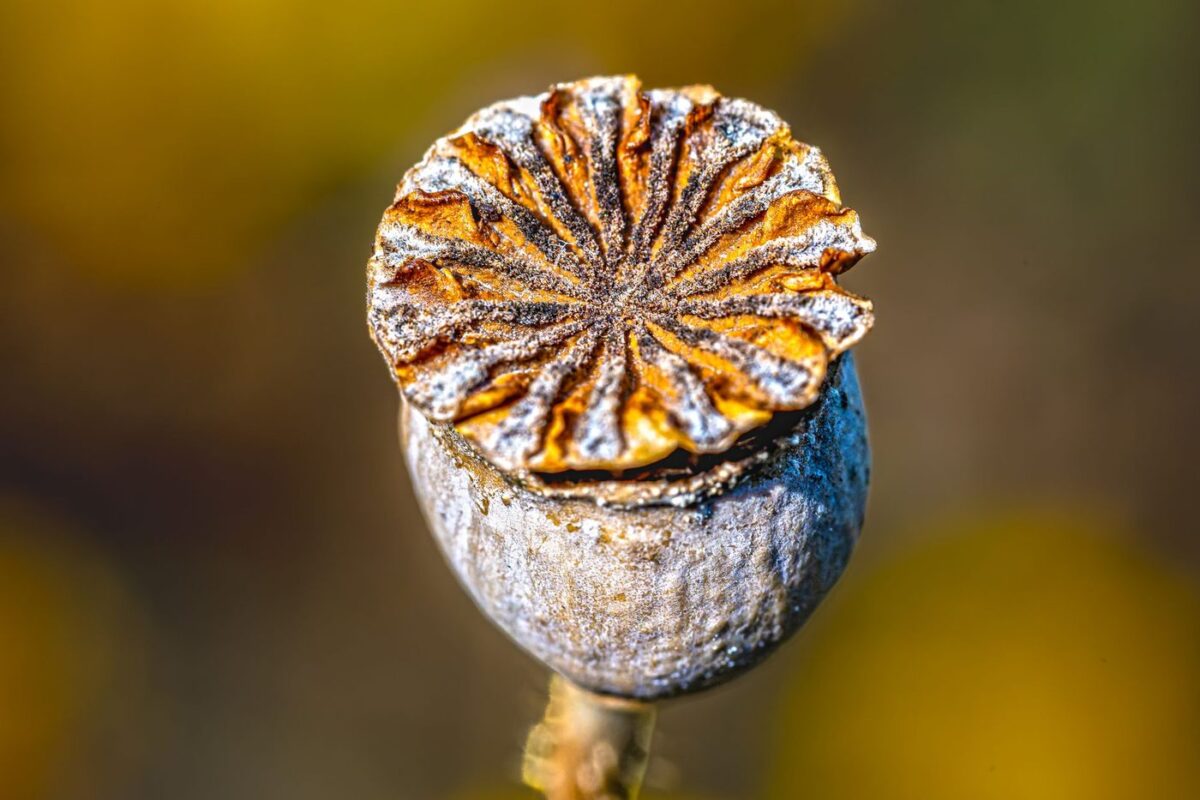
The RHS advice page says timing varies with species, often late summer to late autumn, and gives a rough guide that seed is set about two months after flowering. It says seedheads can ripen quickly and must be watched so the seed is collected before it is dispersed, and that berries need collecting before birds take them. The RHS leaflet says seed can be harvested throughout the year, with the peak between June and October. Kew’s tip for wildflowers is to feel the flower head: if the seeds fall away easily they are ready, and poppies rattle when their seeds are loose in the pod.
Choosing the day and the seedheads
- The RHS advice page says to collect ripe seed on a dry day, often when the seedheads change colour from green to brown, black or red, but before they open and shed their contents.
- The RHS leaflet says to use paper bags or envelopes because they are breathable, since plastic traps moisture and seed will rot, and to label each with the plant name and the date collected.
- The RHS leaflet says to collect from healthy plants and, if possible, from several plants to maintain genetic diversity, and that seed from cultivars will not necessarily come true.
- Kew says the easiest way to harvest is often to cut off the whole flower head with scissors or secateurs, and that to let a wildflower space reseed naturally, about one head in five should be taken.
Drying: where the pages differ
The RHS advice page says to lay seedheads out to dry on a greenhouse bench, a warm windowsill or in an airing cupboard. The RHS leaflet says to use a warm, dry room with good ventilation, calls an airing cupboard ideal, and gives a week to 10 days as a good guide for drying. Kew says to spread flower heads on newspaper in a cool, dry, airy place until they feel dry and crumbly, and warns against an airing cupboard because it will be far too warm and will damage the seeds.
The RHS pages address garden plants generally and Kew’s page addresses wildflowers. None of the pages rules on the other’s method.
Cleaning: chaff or no chaff
The RHS advice page says to clean off the chaff attached to extracted seed, because that material could rot and lead to the seed damping off. For fleshy fruits and berries it describes mashing them in a fine sieve, rinsing away the pulp in cold water and drying the seed on paper towels for a few days. Kew says not to worry about getting seed completely clean, because the seeds will grow just as well with pieces of organic matter mixed in. Its method is to crush dry flower heads gently and shake them in a jar so the seeds drop to the bottom.
Storing until sowing
- The RHS advice page says to place dry seed in labelled paper packets or envelopes in an airtight container with a desiccant such as calcium chloride or silica gel.
- The RHS leaflet says to store seed in a cool, dry place in an airtight container.
- Kew says to use a cotton bag or paper envelope, never plastic, because condensation can make the seeds damp and mouldy, and to keep them in a cool, dry place. It says the fridge is good, if care is taken that the seeds are not mistaken for food, and that seeds should last for one year.
The RHS advice page adds that some seeds, hellebore among them, are best sown immediately because their viability reduces with storage. Kew says seed can be sown in autumn or stored for later, and that the sooner it is sown the better.
Wild seed and basic care
Kew’s page, which names no nation, says gathering seeds from wild meadow or hedge flowers is fine in moderation and for your own use, not to sell. It says it is against the law to remove or uproot the whole plant, and that nature reserves and Sites of Special Scientific Interest need special care because plants there may have different protections. It also says to wash hands after handling plants and seeds, and never to package seeds in a container that might make people think they are edible.
The bottom line
The RHS and Kew both describe drying seed before storage, and both give a cool, dry place for storing it. The RHS leaflet and Kew each name paper over plastic bags, the RHS for collecting and Kew for storing. They differ on drying in an airing cupboard, on cleaning the seed and on containers: the RHS advice page describes an airtight container with a desiccant, while Kew describes a cotton bag or paper envelope kept in a cool place. The RHS leaflet puts the peak collecting period between June and October, and Kew’s advice on wild seed applies to wildflowers, not to every plant, so the pages are best read as two sets of advice, not one rule.
Sources
- Seed: collecting and storing, RHS Advice, Royal Horticultural Society, page undated, read 11 November 2026 (rhs.org.uk)
- How to collect seed from your garden, RHS Seed Scheme leaflet (PDF), Royal Horticultural Society, undated, read 11 November 2026 (rhs.org.uk)
- How to save seeds, Grow Wild, Royal Botanic Gardens, Kew, page undated, read 11 November 2026 (growwild.kew.org)

 English
 French