
Style
Hot stone massage: where it came from and why temperature matters more than pressure
Oct
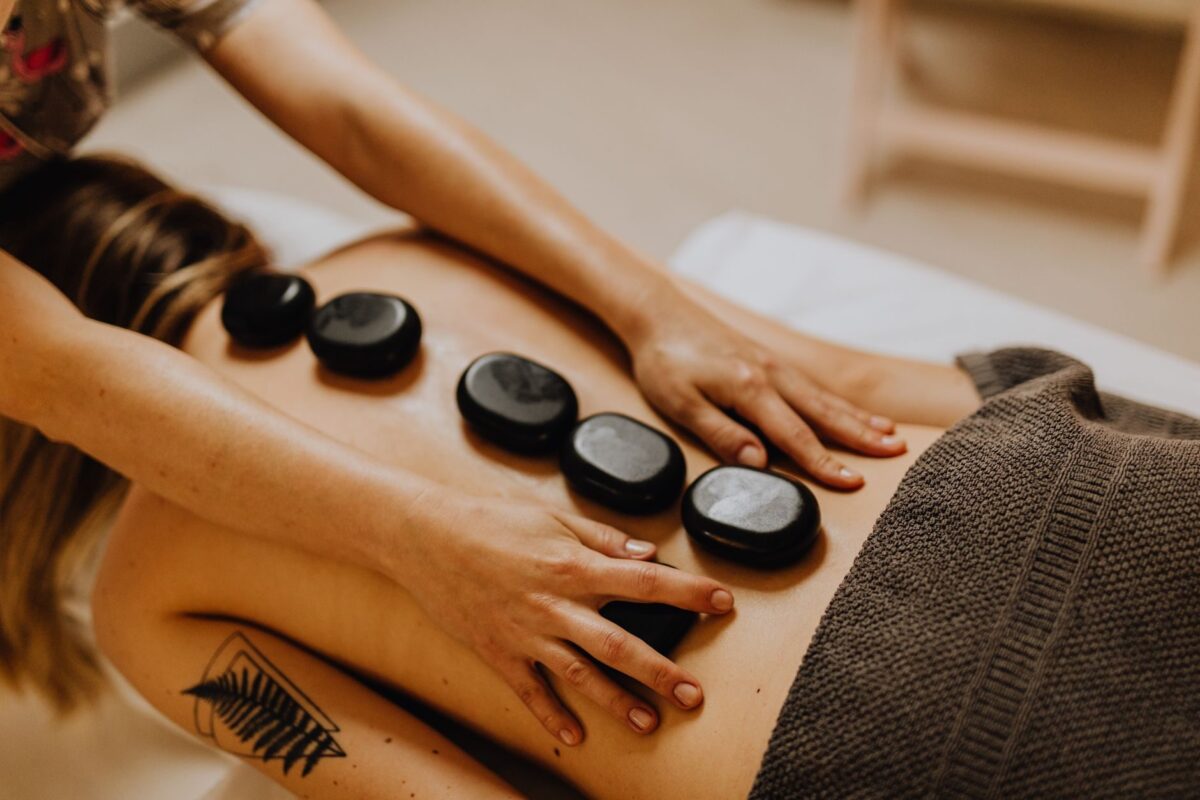
Hot stone massage combines hands-on work with smooth, heated stones that are either glided over oiled skin or rested on the body through a towel. The warmth lets muscles relax with less pressure than a dry massage would need, which is the whole appeal. It also makes the treatment unusual among massage styles in that the main safety question is heat, not force. This guide explains where the spa version came from, how stones are heated and checked, who should choose an unheated massage instead, and why you should not try it at home.
Origins: an old idea and a 1990s treatment
Warmed stones have been used for comfort and healing in several cultures, with Chinese practice some two thousand years ago the most often cited. The specific treatment sold as “hot stone massage” today, however, is recent and well documented. In 1993 Mary Nelson, a massage therapist in Tucson, Arizona, developed a method using heated basalt stones and chilled marble stones, which she named LaStone Therapy and began teaching to other therapists. The approach spread quickly through North American and European spas, and most hot stone menus derive from it, usually without the cold-stone element and without LaStone’s spiritual framing. It is accurate to say the technique has ancient precedents and a 1990s inventor; it is not accurate to call the spa treatment an unchanged ancient ceremony.
What a session involves
The therapist heats smooth basalt stones in water in a purpose-built stone heater fitted with a thermometer; the water sits roughly in the range of 43–54 °C (110–130 °F) depending on the practitioner’s training, and the stones are never heated dry, in a microwave, oven or slow cooker. Each stone is dried, tested against the therapist’s own hand or forearm, and either held in the palm as a massage tool or placed on the body with a sheet or towel between stone and skin. A stone used for gliding cools quickly and is swapped for a fresh one; a resting stone stays warm much longer, which is exactly why resting stones need a barrier and regular checking.
Before the stones come out you will be asked about diabetes, nerve problems, heart disease, pregnancy, skin conditions, recent surgery, medication and anything that reduces your ability to feel heat or to say so. You can ask for an unheated massage at any point.
Key techniques
- Stone effleurage: long oiled strokes with a stone cupped in the palm, over back, legs and arms.
- Placement: stones rested along the spine (never directly on bone), in the palms, between the toes or on the belly, always through fabric.
- Alternating hands and stones, so that the therapist feels the tissue directly as well as through the tool.
- Cold stones in some lineages, used briefly after heat.
A competent therapist starts with lower temperatures and shorter placements and builds from there; “less time, less temperature” is the rule of thumb when in doubt.
Who tends to choose it
People who feel cold easily, who find pressure uncomfortable but want muscles to loosen, who like the weight and warmth of resting stones, and anyone wanting a slow, enveloping treatment in winter. If you run hot, dislike oil or want precise deep work, other options in our massage comparison guide will suit you better.
Suitability, contraindications and red flags
Heat is the hazard, and these groups should either avoid heated stones or seek a clinician’s advice first:
- Diabetes and peripheral neuropathy: with reduced heat sensation a burn can happen without warning.
- Pregnancy: most therapists will not use hot stones; a massage without heat is the usual substitute.
- Heart disease, uncontrolled high blood pressure, epilepsy: listed as contraindications by the American Massage Therapy Association’s guidance.
- Skin conditions, sunburn, recent waxing, open wounds, rashes: heat and oil aggravate them.
- Recent surgery, cancer treatment, lymphoedema: need specific clearance.
- Medications that blunt sensation or affect circulation, and alcohol before a session.
- Children, and anyone who cannot reliably report that something is too hot.
The rule that protects everyone: a stone goes from heater to hand before it goes anywhere near skin, and no stone rests directly on bare skin. If a resting stone feels hot rather than comfortably warm, say so at once; a stone that felt fine at first can still burn if it stays put. Stop the session for stinging, burning, blistering, dizziness or nausea. Heat is comfort, not treatment: a sore area that keeps coming back needs assessment, and warm stones are not a reason to postpone it.
Why this is not a home technique
Heating stones evenly and safely needs a thermostatically controlled water heater and a thermometer; a microwave produces hot spots, a pan on the hob cannot be regulated, and a stone can be far hotter inside than its surface first suggests. Improvised heating at home is a burn risk. If you want warmth at home, use products designed for it and follow their instructions: our guides to sauna and heat therapy, warm baths and hydrotherapy and hot water bottles and microwaveable warmers cover the options. Unheated hands remain the safest way to massage yourself.
Frequently asked questions
How hot should the stones feel?
Comfortably warm, like a hot bath you can sink into, never hot enough to make you flinch or hold still through it.
Why basalt?
It is dense, smooth and holds heat evenly; river-polished basalt is the industry standard, with marble used cold.
Can I have it if I am pregnant?
Most therapists decline hot stones in pregnancy and offer a massage without heat instead.
Does heat make the massage go deeper?
Warm tissue is easier to work, which means less force is needed, not that deeper structures become reachable.
Educational information, not medical advice. For actual pain, persistent or unexplained symptoms, injury, or anything that worries you, seek assessment from a qualified health professional before trying or receiving massage. Stop any technique that causes pain.
Sources
- American Massage Therapy Association (USA), Massage Therapy Journal, “Hot stone massage” (heating in a professional stone heater, 110–130 °F water, towel barrier, hand test, contraindication list)
- Wikipedia (and cited references), “Stone massage” (Mary D. Nelson, LaStone Therapy, 1993; historical use of heated stones in China)
- Associated Bodywork & Massage Professionals (USA), “Hot stone massage” (Mary Nelson, Tucson, Arizona, 1993)
- Healthline (USA), “Hot stone massage” (towel/sheet barrier, never heat stones in a microwave or oven, pregnancy caution)
- National Center for Complementary and Integrative Health (USA), “Massage therapy: what you need to know”, 2019

 English
 French